[UPDATED May 2026]
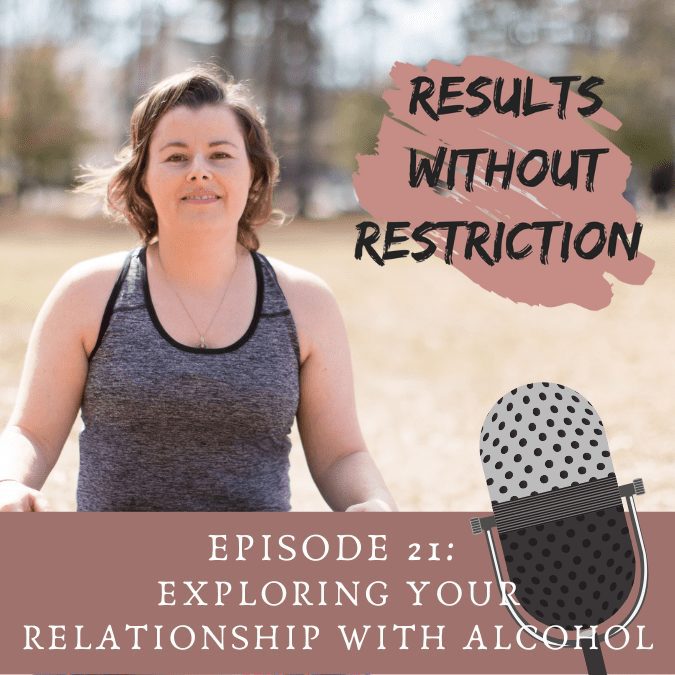
In this episode I chat with Functional Nutritionist Jill Kay about taking a holistic approach and bouncing back from burnout. We talk about the moment she knew she was officially burnt out, what she did to recover, and the process she uses with her clients to do the same!
Table of Contents
After the year of COVID we could all use some self-care strategies to bring ourselves closer to centered, steady, and refreshed!
In this episode
03:25 Her turning point “couch incident”
04:23 Jill’s recovery journey
04:50 Saying no
06:22 Giving it time to take effect
07:49 Listening to her intuition, letting go of guilt
10:40 4 activities you can use to relax
12:30 Moms need to do this
13:48 How often should you ‘check in’?
20:03 Why lifestyle change requires management of expectations
21:16 Jill’s top tips for avoiding burnout
25:32 What to do if you have a ‘couch moment’
Bouncing Back from Burnout: Connect With Jill Kay
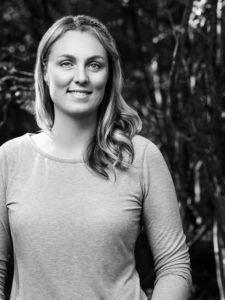
Jill Kay is a Functional Nutritionist and owner of Down to Earth Wellness. She helps outdoorsy women beat burnout so that they can feel more energized, calm and back to the weekend adventures that feed their soul.
Jill combines a functional nutrition and scientific approach.
She offers 1 on 1 coaching as well as online workshops.
- INSTAGRAM – https://www.instagram.com/down2earthwellness/
- FACEBOOK – https://www.facebook.com/downtoearthwellness
- WEBSITE – https://getdowntoearthwellness.com/
Episode Transcript
Welcome everybody. We are here with Jill Kay. She is a functional nutritionist and the owner of Down to Earth Wellness. She helps outdoorsy women beat burnouts so that they can feel more energized, calm, and back to the weekend adventures that feed their soul.
00:47 Jill, welcome. Thank you for joining us here today.
Jill: Hi. Thank you for having me. Really excited to be Here. Wonderful.
So let’s, let’s just dive right in. Right. I’m really excited about helping women kind of move past being burnt out and stressed, and especially in the last year. I would love to hear how you got into kind of using your, your functional nutrition background and taking it in this direction.
Jill Yeah, for sure. I, years ago struggled with various symptoms. I had a lot of headaches and low energy, and then I powered through it a lot of times, ignored my symptoms, pushed on, and I went to school.
I was doing schooling in the evenings. I was going to work full-time, kind of burning the candle at both ends trying to do all my schooling at night while trying to keep up with life and exercising and cooking and socializing and doing all the things.
And gradually I burnt myself out and I started to experience more and more symptoms of burnout. Like I just could not keep up with life.
My nervous system was fried. I was getting more headaches, my hormones were being affected, like hormonal worse, PMs digestion was off and I just felt like I couldn’t keep up with the things I usually could keep up with.
And so I really felt the burnout. I really was struggling for a couple years until I started making changes. I, I was studying nutrition and getting into that more and more.
So that ended up really helping me and helping me to bounce back from burnout. And it’s been a gradual journey, but I’ve made a lot of changes with diet, lifestyle, smart supplementation working with other practitioners to get myself to feel back to energy, back to myself again.
Laurie: So that was quite the experience, the journey. Let me ask you though, did you have like one, like an incident or an episode or something where you were just like, this is, this is it something has to change this, I can’t keep doing this?
Jill: Yeah, I think it was like every day after work, I would have the energy usually to do three things. I’d be like, okay, I can go for my nice long walk and then I can come home and cook dinner, clean up, and then I can study until usually eight 30 or nine at night for school.
I could do those three things usually. And then gradually I was like, I can’t do those three things. I can only do two of those things now.
Like I can maybe cook dinner and go for a walk, but then I do not have the energy to study.
Or maybe I can study and cook dinner, but I can’t go exercise or whatever it was. Walking, jogging, I’d realized I couldn’t do those three things anymore.
It was coming down to two things and then one thing. And then after work, I think my low moment was after work, sometimes I would just need to go crash on the couch and lay on the couch.
And I was having so many more headaches and just feeling exhausted and like frazzled. Like my nervous system was fried.
And the low point I think was just like laying on the couch, being like, I can’t do any of those things after work anymore.
I just need to have a nap and I have no energy and I wanna order in and I don’t wanna cook.
And I’m, and I was like, oh, something really needs to change. I need to make changes here. I need to dial back the schooling or dial back the work or just do something.
And that, I think was a, a turning point for me for sure was being laid out on the couch, feeling like total crap and not having the energy to do anything anymore.
Laurie: So for sure it was the couch incident <laugh> the couch incident. Okay. Yeah. Okay. I think we’ve all had that moment, I think. Yeah. So walk us through kind of like what your recovery looked like. Like who, who led you through that and what was, what did it feel like for you?
Jill: It was definitely like, not an overnight fix. It was gradual. It’s kinda like the burnout too. Burnout came on so gradually you don’t just one day wake up and be like, I’m burnt out. I mean, maybe some people do <laugh>, but for me, I didn’t realize I was just burnt out. It happened so gradually.
So the recovery was gradual. But I, I did notice changes right away. So I, I had to start looking at, well, diet, lifestyle, also my boundaries with work and life and how much stress I was putting on myself and how much pressure.
I had to start saying no to things like over committing myself leaving my evenings more free. I had to, I decided to like I was able to kind of go towards more three quarter time work instead of full-time work while I also was starting my business.
Because once I finished school, I wanted to start my business and doing both at the same time and working full-time was really burning me out.
So I had to dial back the work or something had to give. So I started my business slower, or I finished my schooling slower. I just had to dial those back. And then I, I started to rest more. I worked with myself with a nutritionist who told me cutoff time is eight 30 with school.
Quit doing, you know, all your evening work until nine 30 at night. You need the rest. So I started to cut off schooling.
If it took longer, it took longer at 8:30. So having more boundaries, that really helped. And then going easier on myself, not putting so much pressure to do all the things.
So yeah, like relaxing more in, in the evenings, working a little bit less right away. That started to lower the stress and that helped me feel a lot better, which helped me have more energy.
And then I did a lot of work on my adrenals, my adrenal glands, which of course I’ll get into if you want to nourishing them with food.
Rest, rest is a huge piece. Supplementation. I worked with other nutritionists, natural path and just, it took time. I did some good functional lab testing, but I really did the diet, the lifestyle, all those pieces together.
And gradually the energy started to bounce back for sure. But it wasn’t just one thing. It was all those things holistically put together that really helped me to climb back out of burnout.
So kind of a holistic approach. Mm-hmm. <affirmative>, you know, what you were, your work, your school, your home life, reducing the pressure on yourself.
Cause I imagine that’s kind of a big thing. And I think for most women, you know, we’ve got these to-do lists that are way longer than really they should be.
We put a lot of pressure on ourselves to kind of just get everything done and kind of not listen to our bodies.
Can can we talk a little bit about like, intuition and kind of like the, the little voice in your head and, and what it might be telling us and why?
I don’t know. Why do some people kind of push through it and ignore it instead of kind of really don’t, you know, instead of doing kind of what that voice is telling us to do?
Yeah, for sure. I can relate. I think so many of us, like, don’t ask for help or we’re like, I’ll just do it all.
You know, I’m gonna cook dinner, I’m gonna clean up, I’m gonna clean the house, and then I’ll crash on the couch and be really tired and, and it’s okay.
I’ll do it again and I’m not gonna ask for help. I was doing that and just kind of like, especially I think women, when you’re really organized, you’re type A, you can do a lot of accomplish a lot.
You just keep adding on more things. So I really had to start tapping into my intuition about firstly, like, not feeling bad is hard.
I like the guilt of, oh, I should be doing this. I should be doing that. Reframing that and to being like, I, I cannot burn myself out again.
I’m not gonna do that to my health. Cuz then I’m, I really can’t do anything that I want when I’m totally burnt out.
So if I fill my cup and take care of myself, I can do a lot more, be more present, show up in the world better.
So I had to kind of reframe the mindset and then use my intuition a lot, so much for finally kind of paying attention more to my body.
You know, not ignoring the headaches, not ignoring the signs that I was getting stressed out, the signs that the burnout or the, the fatigue was coming back.
Once you’ve been there, you don’t wanna go back when you’ve done all this work to start feeling good again. So the intuition was a huge piece that body, body mind, body self-awareness.
So listening to the symptoms, they might be different for other people, but for me it was, how do I know when I’m getting stressed out?
How does that show up? Okay, I’m getting irritable. I’m, I’m starting to get, yeah, irritable cravings. Even depression, feeling down, that’s when I knew I was tired and I just needed to take a break and I could usually turn that around and feel good.
I just need to slow down. I had to tap, tap into the intuition to start pacing myself more and not throw so many things on my list and then feel bad I didn’t accomplish them, but maybe be more realistic about my lists and more intentional about my lists of, okay, what can I, what do I actually wanna get done in a day?
What do I feel good about? I don’t need to do 25 things. What are the key things, the three things I’d like to get done and how do I wanna feel today?
I started focusing more on how do I wanna feel accomplished, energetic, clear. And so I really use intuition every day.
And I find it’s like a muscle, it does grow over time to really tap into like, how does stress show up for me?
And for me it’s the headaches, the irritability, the cravings, the all sorts of things. You know, a hard time sleeping.
And I start to tap into that and then dial things back, pull from my toolkit of self-care options that help me to lower my stress and bring that stress down.
And just kind of process that stress every day so that it’s not bubbling over. Cuz I find sometimes I was good at ignoring it and lots of other people ignore it, right?
Until it gets so high that sometimes the bucket’s really full and overflowing. So I try to just keep processing that stress every day.
And that’s been really good practice, an ongoing practice, and it’s really helpful. So let me ask you this. So when we talk about, you know, the intuition and, and check in, you know, tapping into your intuition as as a muscle, what are some exercises or some activities that, you know, some of my listeners could do to kind of tune into that, to get better at doing that?
10:37 That’s a great question. I think having micro moments, mini moments of mindfulness being present, how do we get present? We maybe get outside in nature.
10:49 We get outside, we take 10 deep breaths, like four seconds through the nose, hold your breath for four to even six seconds and then release for eight seconds.
10:59 Take big deep belly breaths, Kimberly bring, bring your body back into the parasympathetic rest and digest mode from that stressed out state.
11:08 So bringing the mindfulness, the presence and I think even just so being present, being mindful, however that works for you, going for a walk even meditation, like sometimes being out in nature, going for a walk is quite meditative.
11:22 It can really increase the mindfulness or straight up trying meditation, deep breathing. Nature is a huge one. And then maybe doing a body scan, like tuning into your body from head to toe scanning in like, how am I feeling actually asking yourself?
11:37 I find asking yourself helps to kind of open up or talk to the intuition. How am I feeling? How is stress showing up for me today?
11:46 Or, you know, what would I need today to feel good? How do I want today to feel? What does my body need right now?
11:53 Sometimes even journaling can really help to unleash those thoughts too and tap into that in intuition. But I really think it starts with like that mindfulness and presence and stopping, slowing down and kind of reconnecting, checking in deep belly breaths paying attention to how you’re breathing, everything like that.
12:10 And I, I think that’s a really good start. That’s how I would do it. I love that because I think that for a lot of women just taking the time out and saying, I need to do this.
12:22 I need to check in with what’s happening to make sure I’m not on the road to burnout. I’m not on the way to just breaking down.
12:31 So it can kind of feel though a little selfish. And I think, I think some women, you know, they, they do feel like guilty taking that time for themselves.
12:41 And especially moms, right? Because mm-hmm. <affirmative> we’re kind of programmed to, and dads too. But I think we’re, we’re talking mostly to moms, but you know, taking that time because we’re so programmed to be worried about everybody else, really, if you can’t, if you’re not taking care of yourself, you can’t take care of anybody else.
13:00 And, and I think that that has to be something that we keep, you know, in mind, that mm-hmm. <affirmative> Totally.
13:08 You know, you can’t, you know, not to be cliche, but you can’t pour from an empty cup, right? So adding that, those moments of mindfulness in how, however that works for you periodically throughout the day, the week, you know, the month.
13:21 And I imagine like for most people, energy are, you know, kind of fluctuates. So you’re not always, you know, maybe on weekends you’re, you’re a little more well rested and you know, you’re feeling better.
13:34 But during the week come towards like Thursday, Friday, you’re feeling alike, you’re dragging. So maybe you have to adjust how often you do these, these check-ins based on, you know, your schedule or you know, how you are, how things go for you Mm-hmm.
13:49 <affirmative>. Yeah. Like have your own routine and your own rituals that you know yourself best more than anyone else, and you know what works for you.
13:56 So finding a way to check in, finding a way to tune in, and then finding a way to process your stress that works for you versus, say you don’t like meditation, but you love journaling, finding what feels right for you.
14:07 I think it’s really key. Absolutely. Let’s talk a little bit about what you offer, like your services, your, your practice.
14:16 Like how do you work with clients? What would be the process? A new client comes to you, what’s, what does that look like?
14:23 Yeah, for sure. Usually we start off with like a free, free call, strategy call, discovery call, just to get to know each other, see if we’re the right fit.
14:32 I learn about people’s concerns and health goals, and I usually work with women who are dealing with burnout, high stress.
14:39 We usually have a free, yeah, 30 minute call. And then if we’re the right fit, we kind of move towards my one-on-one deep dive program.
14:45 It’s called the Wild Energy Deep Dive. And it’s a three month program. And I work in a three month setting because I find having a one-off session or one or two sessions together, you can build some momentum, but you can’t build a lot of transformation momentum.
14:59 And I find the energy and health transformation and making these changes, it does take time and I think it’s important to have that guidance for a few months.
15:08 So I always start with doing a full in-depth health assessment with my clients, learning about their wellness goals, their wellness concerns, what’s been going on from the time there were children to now if there’s a story there that, you know, that symptoms tell a story what they’ve been dealing with with symptoms anything that’s come up for them with diet, lifestyle, what their body’s been telling them, health concerns surgeries, anything like that.
15:32 Medications, we look at the whole picture. We look at a food journal to see how, how often they’re eating, what they’re eating, how they’re feeling, just to get a glimpse.
15:42 And then we look at symptomology and then I form a wellness plan after that, a personalized wellness plan for them with kind of holistic, comprehensive suggestions that we’re gonna focus on to help guide them towards their health goals.
15:57 We usually include functional lab testing as well, or we work in a collaborative approach with their other health practitioner if it’s a naturopath or a functional practitioner or a doctor.
16:06 And I usually review their blood work. We get nerdy with some science there. We can see if, you know, certain things are in optimal ranges, we can, I usually do a Dutch test as well, which is a dry urine test for comprehensive hormones.
16:20 And I love that test because I can see how my clients’ sex hormones are looking as well as their adrenal glands and adrenals are really connected to stress and energy.
16:29 So we can take a look on how the adrenals are doing, if they’re really in overdrive mode or if they’re bottomed out and really low, we take a look at all of that and we take it into consideration and it helps guide that wellness plan.
16:40 And then we make a, i I make a personalized wellness plan for my clients, and then we have follow-up sessions and we slowly make gradual changes and there’s lots of tasty recipes included in educational videos, and it’s just really about gradual small changes so that it’s not yeah, like just so much to do.
16:56 It’s, you look back after three months and you’ve made so many changes and transformations, but it hasn’t been too hard.
17:02 So that’s really my goal with clients. And that’s how I work with them, usually one-on-one. I also do other things like I’ve offered free online workshops and training and group programs, but currently my main program is that one-on-one wild energy deep Dive.
17:15 I am definitely going to be linking to your website in the show notes. So anybody who wants to find out more about like your workshops or any of the other things that you offer, or they wanna get in touch with you, absolutely they’re gonna be able to do that.
17:28 I’ll put that in the show notes. Two things that I really love about your program and the way that you approach this is that first it is a, it’s really, it sounds like it’s client led, so it’s really about getting the information from the client and letting them kind of lead you to what they, I mean intuitively.
17:47 Like they know, right? They already know kind of, even if they don’t wanna admit it, they know what the issue is, they know they’re working too much or they’re doing, they’re, they’re, they’re just over extended.
17:56 And then so they can kind of help, I don’t know, I wanna say like, have a, have a hand in whatever the, the process is going to be for them for the next few months, right?
18:09 So it’s not them showing up and you’re just saying, you’re gonna do this, this, and this, and then that’s it.
18:13 It sounds like it’s very much a collaborative and they’re very involved in the process. And I also love that you work, you work with their other practitioners, right?
18:24 Cause this is a holistic approach. If they’re working with, you know, another doctor or somebody else, you can kind of collaborate with them.
18:31 I also love that it’s, it’s baby steps. It’s you know, micro, micro steps. Mm-hmm. <affirmative>. So none of it is too overwhelming, right?
18:40 Because we, we’ve all done this like, you know, when you try to jump headfirst into this new wellness lifestyle and you try to change all the things at once and nothing sticks because you cannot, it’s just not possible to change everything that you do.
18:59 You know, you, we have these habits. We’re used to doing things a certain way. So to, to go from doing things the way that we’re so used to and so ingrained in us to do, to changing how we eat, how we sleep, how we work, we cannot change.
19:12 You know, you need to adapt to that incrementally instead of trying to change everything at once. And I imagine too that people come to you and they’re like, I know I need to change things.
19:21 Do you ever find that people resist the baby steps? They’re like, no, no, no, I need an overhaul. I need to, I need to change everything.
19:31 Like right now, do they, do they resist that, that that micro step process? Yeah, I would say once in a while.
19:39 Like, I know what you’re saying too, like it’s, they often know what they need to work on. They have that intuitive knowledge, wisdom, they know what they need to do.
19:47 And sometimes people are like, I’m really gung-ho, tell me everything. And I’m like, ah, we don’t wanna give you 6,700 recommendations right up front because that’s not gonna work.
19:57 It just, we don’t change our habits like that. So sometimes I think some people are really gung-ho and then I manage expectations.
20:03 We’re gonna work on these five things for two weeks, even three things for two weeks. And then we’re gonna chat in two more weeks and see how those three or four things are going.
20:12 And then we’re gonna add a couple more things. If you’re like, I already got it. Those are easy. Okay, we’re gonna add a mu a few more things.
20:18 So it’s very customized. Whereas some clients are like, whoa, whoa, slow down. I want, I just wanna focus on this one thing.
20:24 Okay. When we have that one thing going, drinking more water we’re gonna add this thing. So it’s just layering it on gradually.
20:31 But for sure, some people, every client’s different. Like some are like, give it all to me now and I wanna tackle this.
20:37 And I’m like, ah, nope, we’re gonna pace ourselves. Cuz otherwise you do get overwhelmed and you might stick with it for a while.
20:43 And then, although sometimes people will kind of fall off the wagon, you know, if it’s too, too overwhelming, there’s way too much to do.
20:49 So I’ve just learned from experience and working with a nutritionist myself that like, small, gradual changes is where it’s at.
20:56 And when you, those become habits then you add another one and all of a sudden you look behind you and you’re like, wow, actually I’ve changed so many things and it wasn’t too overwhelming, which is a great feeling.
21:07 So that’s really my goal. If you could give us your top tips or leave, leave our listeners with some of your best advice, that would be Great.
21:17 Yeah. So when it comes to dealing with burnout just the three top things off the top of my head kind of are, number one, bringing that awareness self-awareness of your body, tune into your body, listen to your symptoms listen to your body.
21:35 I think sometimes we if we have a headache, we take an Advil and we carry on. I used to do that, but I just really want people to listen to what their body’s telling them.
21:43 The body speaks in the language of symptoms. It doesn’t speak English, it can’t write you notes. It really lets you know, some, something is off by whispering in symptoms.
21:54 And if you ignore the whispers, they will get louder and louder. And so we, if we can just tune in and start to listen of how are you feeling day-to-day?
22:03 How, how are your muscles, how is your digestion? How are are your moods? How is your stress level? On a scale of one to 10, how does your body tell you that you’re stressed out?
22:12 What does it tell you so that you’re tuned in and paying attention going forward? And then you can respond verse say carrying on and ignoring it.
22:22 So that’s a first tip is really get to know thyself, self-awareness. Two is if you’re dealing with burnout, we have to look at nourishing your adrenals, really looking at your adrenal glands and your nervous system.
22:34 The adrenals are so important for the stress response in the body for releasing adrenaline and cortisol. And they’re the little glands that sit on top of the kidneys, really in charge of that fight or flight mode.
22:44 So if we’re always in fight or flight mode, even if it’s just chronic low grade stress, our body doesn’t know the difference if a tiger’s chasing us.
So we really have to work on moving the body into the parasympathetic rest and digest mode. So we rarely have to nourish the adrenals there.
We do that through lifestyle. We can do it through food, we can do it a lot of different ways, but some key ways are processing your stress, emptying that stress bucket every day.
Whatever works for you that helps to lower your stress. If it’s micro moments during the day, deep breathing meditation going out in nature, even 15 minutes in nature will lower your stress hormones.
If it’s taking a walk, if it’s journaling, talking to a friend, but stepping away from the computer or just stepping away from a moment and checking in and processing that stress is so important to nourish your adrenals.
And then we can of course go down the road further nourish them even more with like targeted supplementation, really good foods, sea salt sea salt’s great for them, but rest, rest is so important.
Sleeping seven to nine hours and really listening to your adrenals, what they’re telling you, your nervous system and moving your body into that rest and digest mode where you’re, you’re relaxed, you’re taking deep breaths.
So those are some tips on how to nourish the adrenals. Just light, light suggestions. The third thing if you’re dealing with burnout that we wanna look at is how is your blood sugar balance, oddly enough is your blood sugar all over the map throughout the day?
Like with energy crashes and cravings? If we can start tuning into how your blood sugar’s feeling with meal balancing, making sure there’s a little bit of protein, fat and fiber and those kind of foods at each meal that can really help and to balance that blood sugar which will actually support your stress hormones and nourish those adrenals and support hormone health.
So a lot of the recipes I share, very healthy, yummy, tasty, always room for moderation, but making sure we have some protein, fat and fiber at those meals to balance that blood sugar while enjoying our food and tuning into how food makes us feel.
But really like starting off with a nice balanced breakfast and moving on from there can really help to balance those cortisol levels and nourish your nervous system and yeah, the hormones and everything kind of downstream from there.
So those are some three key tips that I think would really help to start with. Wonderful. Thank you Jill, so much.
This has been so informative and just amazing and sharing all of the information that we desperately need about beating stress and managing, you know, everyday kind of sneaky, sneaky burnout that kind of just comes up, apparently comes outta nowhere and you know, <laugh> then knocks us on, on the couch, right?
So if we have that couch moment, we know we need to call, we need to call Joel K and we need to need to have a discovery call and figure out what to do next.
Thank you so much. Thank You so much for having me, Laurie. I appreciate it.
[UPDATED May 2026]