Subscribe: Apple Podcasts | RSS
Living Pain-free with Movement Coach, Jacqueline Gikow
In this episode I’m chatting with certified Movement Coach & Rehab Specialist and National Board-Certified Health & Wellness Coach, Jacqueline Gikow.
About Jacqueline
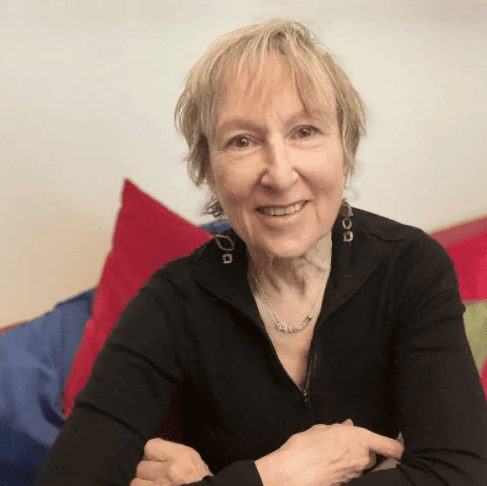
Jacqueline pairs her movement coaching with wellness coaching, which supports your healthy wellbeing goals so that you become the best version of YOU. In this episode we talk about how Jacqueline helps clients recover from injury and teach them how to avoid them in the future.
Jacqueline certainly has a lot of expertise in the area of physical fitness – she’s a Certified Movement Coach/Rehab Specialist, a Certified Personal Trainer, National Board-Certified Health & Wellness Coach, a Functional Aging Specialist, certified Group Exercise Instructor, a Arthritis Foundation Exercise and Aquatic Program Leader, a Aquatic Exercise Instructor, and a Certified Aquatic Rehab Specialist.
Not to mention, a Remedial Exercise Consultant (ExerciseETC), a Myofascial Release Instructor, a Senior Yoga Specialist, and a Certified TRX® Instructor.
What is Movement Coaching?
It’s fitness training geared to help you move better, get stronger, and prevent re-injury. It helps you stay active so you can do more – play, travel, and work with more energy.
Episode Transcript
0:33 Welcome everyone. We are here with Jacqueline Gikow, and she is a movement health and wellness coach specializing in safe and effective movement guidance for people with chronic disorders post-surgery and in injury recovery.
0:47 And we’re gonna talk about restorative exercise and how that can increase your strength and mobility. And she recently put out a book called Living Pain-Free, and it’s a journey of her own personal healing that I’m hoping that’s gonna inspire you to take action on your own journey.
1:03 Jacqueline, welcome. It’s so great to talk to you today. Glad to be here. Wonderful. So let’s, let’s, I would love it if you could give me a little bit of background of, you know, your story, your journey, how you got to this place.
1:16 Hmm. Eight years ago, my mom died. My mom developed dementia at the end of her life. And as she lost capability to do daily life things, I became, well, I was concerned.
1:31 We don’t have a history in my family of Alzheimer’s or that kind of thing. And one of the things that is a dementia generator, so to speak is, is lifestyle. And what my mom did, she stopped contacting people. She stopped reading, she stopped watching tv. And over the course of a period of time, she, she couldn’t do those things because she lost the ability to connect again.
And I wondered as, as I saw this happening, I wondered about myself. And, and when she died, I thought, do I have to go down the same path? I think not. My grandmother was active until she died, and she was and my, my grandfather on my dad’s side did develop some functional living capabilities, but he was 99 when he died.
2:32 Oh, wow.
So we have a long, we have a family with a long life history. And so I decided that if, if I was, was gonna go forward and be comfortable with myself, I needed to do as much as I could to keep myself active and engaged.
2:49 And so when she died, I did two things. I went through a bereavement program so that I could deal with my mom and I, and I joined a gym <laugh>, you know, and you know, and I joined a gym that was a half a block away from me so that it would be hard for me to avoid going.
3:07 And I have been active. I’m, I’ve been active my whole life. So it wasn’t like a big push. It was just that through the couple of years of my mom’s illness and, and demise, she I, I had given up doing anything pretty much other than being involved with visiting her and, and being concerned, you know?
3:27 So I wanted to move forward and regain my my own life. And over the next year after she died, that’s what I did.
3:35 Basically made myself reenter my life. And, you know, I hired a personal trainer. I I was very well known at the gym because I started going pretty much every day.
3:49 And, and then after about six months of working with the personal trainer, she, I, I was I was done with that program at that gym.
3:57 And, you know, I walked into the gym the next day and I was like, I don’t wanna do this by myself.
4:04 You know, this is boring. And so I, you know, I looked around and I saw I saw a group fitness class starting.
4:12 So I, I joined it and then I, and I was in, really enjoyed the group interaction. And over the next six months from there, I took just about every class.
4:25 One of the classes I took was Zumba. Zumba was like a dance thing. So, you know, you’re not only hopping around, but you’re also having fun.
4:35 And there was one evening I was in that, I was in that class, and it struck me, I have a background in teaching college.
4:46 So I, I am comfortable in front of a group. It struck me that I could teach that. Not only did it struck strike me that I could teach that, but it struck me that I could teach that.
4:56 And I would love doing this every night. So you know, I signed up for the training. This is a, this is a very short introduction to how I got involved in this.
5:08 Long story short, it, it, that was my, my, that was my introduction to fitness as a career. So I had, I had been, I had been a jazzer size asphyxia auto.
5:20 I had been a runner. I had been a cyclist. I had been in the gym every, for, as the typical person for three months, and then let the gym membership drop.
5:31 But I would, you know, I knew all the equip I had gone to classes. I knew a lot of stuff from, you know, how people interacted.
5:38 So I, I, you know, from Zumba, I took some of the suggestions and I got certified as first a group instructor.
5:51 And then I, you know, met a personal, and I thought that sounded like an interesting direction. I got certified as a personal trainer.
6:00 I started training people, but the people that I was training were looking for more than just tote that barge with that ba they, you know, they wanted a little more lifestyle kind of things.
6:12 And my trainer at the certification for personal training suggested that I might be happy, happier with the with a health and wellness approach.
6:25 She gave me a suggestion of a, an organization that she recommended. And I went through a year’s program of learning about health and wellness.
6:35 And I combined the two from the beginning, from about 2014. I was doing both. Since my background includes a lot of self-employment, I’m not the greatest employee, so I <laugh>, you know, so I, I tried to join a couple of clubs and decided that working on my own would be a better approach.
6:57 So I started training people in their homes. My first client, she could barely walk a block. And over the course of six months, I was able to work with her.
7:07 She went from not being able to bend over to even touch her waist, to being able to touch the floor.
7:14 You know, wow. Very, that, that was amazing. That’s great. Right. You know, she was, and she went from you know, we did a lot of basic things that in enhanced her daily quality of life.
7:28 I worked with her to be able to stand up from a seated position so that she didn’t have to use her hands.
7:34 You, and in the six months she developed the ability to walk a mile. I loved seeing the development. Another client of mine had a balance issue.
7:44 She was taking some medications actually at the beginning that were affecting her balance. And we did a lot of, we did a lot of work on, on that kind of thing in general.
7:55 My next client had a, a torn c ACL that she was having a problem with. She wanted to be able to hike again without pain.
8:04 And so she, you know, she started to do that. I saw people recover from stuff on their own by, by using movement.
8:12 And as a, a way to address it, she, the a c l client, didn’t wanna have a second operation. She had already had an operation for a torn a c l.
8:21 And then I had another client that was going to have an operation to fuse her backbone. And she wasn’t gonna be able to avoid that.
8:29 But her doctor wanted her in better shape so she could recover. And over, we worked together for about six months, and she went from needing two canes to walk with, to being able to walk without a cape.
8:42 And I have two pictures over her that are great. The first one, she’s kind of bent over, and you can, and it’s, it’s a profile.
8:50 So it’s not like you can see a lot. But in her, in her position and in her face from that, from her being slightly bent over like that, you can absolutely see how much pain she’s in.
9:01 And the second picture we took after, you know, after that time was to, you know, was showing her standing up straight.
9:09 And, and she’s happy. I mean, and you know, I mean, to see somebody be excited about how they feel, you know, especially when people, people are coming from a relatively sedentary lifestyle is, is exciting to me.
9:26 I, I’m an older trainer, so people seek me out cuz they have, they, there’s something about me that they identify with.
9:34 They’re, they don’t wanna see a 40 year old or 30 year old person cuz they don’t feel they’re gonna identify with them.
9:42 However, I don’t necessarily bill myself as somebody working with senior or older, older people because what I am working with is getting people to, to reduce the amount of pain they’re in.
9:58 And that’s across the board. People can be 30, they can be 40, they can be 90, Right? They can be any age like injury and, and things like this.
0:07 And building the mobility and stability and things like that, that can happen at any age. But I, I totally understand what you’re saying about being relatable.
0:15 You know, just in different, in different ways to people who come into a gym and, you know, maybe they’re, they’re not looking for you know, somebody who’s 20 years younger who may not understand what it’s like to be in an older body.
0:28 Right. So that, that relatability, I’m sure has been a real asset to your business. The thing that happened to me along the line is I was part of the generation that grew up on no pain, no gain.
0:40 Mm-hmm. <affirmative>. So, you know, so the more effort something took and the, the harder it was, the more successful I felt I was gonna be.
0:50 And over the period of, at, over that time, I developed a lot of injuries. I, I had actual accidents. I think it’s important to understand that accidents, you can’t prevent them.
1:04 They, you know, they happen. And, and so my approach was rather than to worry about the accident, was to be on the recovery.
1:13 And there are also a lot of problems in recovery because if you don’t really know what you are recovering from and you don’t know where it’s emanating from, you don’t know really whether you’re gonna be recovering completely.
1:27 You know, even, even if you’re not pain free, even if you’re pain free, you may be compensating. And I was compensating a lot.
1:36 So about four years ago, I developed a I developed a pinched nerve in my neck. And I lived with that for about a year.
1:47 And it didn’t bother me. And then it bothered me, and then it started bothering other stuff. I had a, I had a bicycle event.
1:54 I had to that I didn’t wanna stop. So I, I did that week long bicycle ride. And when I came home, I went to my doctor and I said, my back, my neck really bothers me, you know, and my d my doctor referred me to a specialist, a a physiatrist who deals with people with physical issues.
2:16 And she, she looked at my back and she diagnosed that it was indeed a pinched nerve. And she recommended physical therapy.
2:27 I spent the next three years in physical therapy, and my physical therapist looked at my, went through his assessment, and he said, your body just told you to stop after many years.
2:39 My body just said, that’s it. That’s it. You’re not, you know, you’re not moving. So I started to recover from this pinched nerve.
2:47 I decided to make the commitment to this p physical therapy approach as a personal trainer and someone who’s interested in working with people in injuries.
2:57 Some, you know, I also worked on myself. I had gone through some training for recovering from from injuries. As I went through this three year journey of recovering from my pinched nerve, I worked on my entire body.
3:15 And I was a, applying a lot of this stuff to my clients as well as myself as, you know, as I was going through it.
3:23 And at one point I realized calling myself a personal trainer was, was not addressing what I did because I was working so much with people looking for a way to have a lifestyle that they could enjoy.
3:40 And I believe that it w it’s important for people to do stuff that they like. So I come from a position, I love exercise, but I’m aware that 60% of the population doesn’t share my enthusiasm.
3:56 <laugh>. Yeah, that’s, yeah. You might be in the minor, in the minority there. You know, I I I’m with you.
4:01 I love it. But you know, it it, it all depends on the activity, right? Like, I, I do believe that everybody has got something that is a form of exercise, that it might take some digging.
4:12 You might have to, to try a few different things, but there’s something for, for everybody out there. But when you say, I love exercise, you know, like if you ask somebody, do you love exercise?
4:21 You know, the, the, the vast majority is probably gonna associate that with what they’ve come to know as, like you said, the no pain, no gain, you know, sweating and working out so hard, you puke and, you know, that’s kind of their idea.
4:32 And they don’t realize maybe, you know, dance is exercise, you know, walking with friends is exercise. So yeah. It’s all, it’s all kind of in the, in the connotation of the word.
4:41 Right? Right. What I did was, I changed my title instead of calling myself a personal trainer. It movement coach is a, a recognizable term that people, people are not as familiar with this personal training.
4:53 But it changes, it changes the mindset of, you know, for, you know, for people. What you were saying is is interesting because one thing I did, I was working with an organization that, that would a private gym and do an assessment on people.
5:11 And we set up half hour appointments for people. And a woman that I worked with for that half hour said, I need to start exercising.
5:20 I guess really, I should come down here to the gym and use the treadmill. Well, let me tell you, you could not get me on a treadmill, you know, <laugh>, I, so I said to her, I said, do you like working on, you know, do you like, you know, walking or running or whatever on the treadmill?
5:37 No. She said, I don’t, it’s just that that’s what I really should be doing. And I said, well, I said, what do you like doing?
5:44 And she, you know, she said, well, and she kind of stopped for a minute, she said, kind of embarrassed. She said, I like to shop.
5:53 So, you know, this, this particular building, I live in Manhattan. So I live in a, you know, I live in a city.
5:58 We don’t have shopping centers, but she lived in New Jersey and they were next. They had bus that took them to the local shopping center.
6:06 So I said to her, I said, you know, I said, the shopping center opens at 10. What if you went like an hour before and walked around and window hopped and walked?
6:20 I said, did you know that there are people, cuz I know this, there are people that go, they’re called mall walkers.
6:27 Oh, Walkers, I remember mall walkers. Yeah, Absolutely. I said there, you know, so I said, what you’re gonna find is there are other people at nine o’clock in the morning walking around, you know, the mall.
6:38 And then at 10 o’clock when the thing opens, you can, you will have seen all the, all the storefronts and you can go inside and start shopping, but you could walk for an hour.
6:47 And she said, well, I never thought about that. So walking, you know, I mean, walking was something she thinks she either has to do on a treadmill or, you know, she has to walk around the, the block or something like that.
7:01 And it’s not, you know, to rely on the weather. So that wasn’t appealing. Like her eyes lit up. It’s like, oh, I could do that, you know, <laugh>.
7:10 And then what was interesting to me at that point was she said, you know, there’s a Zumba class, you know, across the street that I could go to.
7:21 So what had happened was, once she got off that treadmill idea, other things opened up stuff that she would like to do, rather than the Possibilities.
7:31 The possibilities were now endless now that she didn’t associate, you know, mandatory exercise on a treadmill. You know, any activity counts, right?
7:41 Yes. So now she could consider that, you know, things that she maybe wanted to do, like dance. Yes, absolutely. Yeah.
7:47 And there, I mean, it’s not like the Zumba class was not exercising. She didn’t know about it before. It’s just, she was so focused on what she should be doing and how she would be, should be doing it.
7:58 It didn’t seem like an option. Whereas if she could walk around the mall, she could dance across the street and that, you know, <laugh>.
8:08 So, you know, that was actually one of my first times of being excited about somebody’s changing their, their whole mindset in one direction or another.
8:18 What changed my mindset in another direction, which was interesting, was I’m an avid cyclist and, and I, I lead trips, actually day trips right now.
8:30 I get people, you know, people riding on bikes have issues. One day there was a woman that, that was in front of me, and, and she suddenly, she had to stop.
8:39 What happened was her, her knee locked up. She was, she had some ongoing leg problem. And this was not an older person.
8:46 This, you know, she was like maybe 35. And so she was, she was cramped, and I gave her a couple of exercises that would, that would ease that.
8:57 And she was, she was like, wow, that really made a difference. One of the things that it did for me was it kind of brought to the forefront that I’m not really a trainer that is interest just in training.
9:10 And I don’t only, you know, I’m not only dealing with people who are in pain. What I am is I am turned on by pain.
9:18 <laugh>, you know, I, I love pain. I, you know, because pain, pain, first of all, pain can tell you where you are.
9:25 And pain can help you. You know, you can, you can get out of pain and you can get, I know you can get out of pain because over the three years I was able to relieve my pinched nerve through movement.
9:39 And it wasn’t through lifting 10, 20, 30 pounds of weight. It was through learning to move my body correctly. I started with the very simple exercise, which was called, which is called a chin tuck.
9:54 And for a month, I could not feel what my neck was doing. But what it’s doing is it’s working on the back of your neck and your, and your upper back.
0:03 And, you know, and I, I didn’t do any, it didn’t feel like anything. My PT gave me a couple of different ways to do it.
0:09 Lean again, you know, stand against a wall so you can feel your head, that kind of thing. And then after about a month of doing this multiple times a day, I didn’t, you know, with, without anything but my head, you know, I, I got up one morning, I was doing this thing, and my head moved and I was like, Woohoo.
0:33 I went to PT that day. And he laughed at me, you know, I said, it felt like my, I wasn’t moving.
0:38 He said, you weren’t moving. I, you know, I, I know I was doing the exercise, but my neck wasn’t moving.
0:45 And that was like, that was the trigger to the rest of my, of my recovery, was understanding that, that the, the smallest thing can really change the way that you live.
0:59 You know, I all kinds of things followed from there. And, and I was able to eventually lift more weight and tote that barge, whatever, you know.
1:09 So I you know, so when this woman got relieved of her knee pain from, for, you know, to even just a few minutes, it kind of made me rethink how I was approaching.
1:22 So I really focused in, you, you talk about the, you know, what a, you know, what a trainer does for people specifically.
1:33 And really that’s what sets me aside from apart from other trainers no matter what you call yourself is I’m, I’m passionate about function.
1:49 And people being able to mo you know, form is more important than anything. So that you know, that you have to be able to, to do something correctly, no matter what it is for your body to wanna do it on a continuing basis.
2:09 Your body will compensate for stuff, but, you know, but then it’s gonna compensate with other things and other things and other things, and it becomes an ever increasing problem.
2:21 So I, I just wanna jump forward because a year and a half ago, on March 16th, the gym closed. Everybody’s gym closed.
2:39 Yep. March 16th. March 16th. I taught a class in the morning. I worked at the y I taught a arthritis class in the water.
2:48 I loved it, you know, and I came home and I you know, at noon my boss wrote that we are closing <laugh>.
2:58 And so, like everybody else, I didn’t know what was going on. And so I took my life kind of became a little chaotic for three months.
3:08 I, I watched people. I had an advantage. I worked for myself, so I already knew how to get through a day.
3:16 And over the next three months, I figured out what, what I was, you know, what I was gonna do with myself.
3:23 But at the beginning of the month, I had, at the beginning of the year, I had started writing this book about my journey from having that pinched nerve to, to being pain free more or less pain free, because I did have a couple of accidents afterwards and had to recover from them.
3:40 But so it took me, so I was working on this book, COVID hit. I couldn’t go to the gym. I couldn’t go to the pool and work.
3:51 I had to figure out a way to you know, to keep exercising for myself. It was important to continue what I was doing.
4:02 I had a lot of exercises that I did first thing in the morning for various iss ongoing issues, chronic issues, arthritis being the main one.
4:15 And I was doing them in bed. And so I you know I live in a tiny apartment and exercising on the floor is a real hassle.
4:28 I have to move everything out of the way, you know, and then I have to move everything back, you know, and it’s, it’s not convenient.
4:35 But my bed is a queen size bed, and it’s, as you know, it’s, it’s bigger than a, an exercise mat.
4:47 And, and it’s also a it’s a Murphy bed. So when I’m done with sleeping and doing whatever I’m doing, I, I fold it up and I go get on with my day.
4:59 So over the course of the year, I wrote my book and I developed an exercise program of exercises in bed using various equipment that I have.
5:15 And I’m, this is, this is important cuz it’s part of this whole pain relief fitting things into your life. Oh my gosh, I, I love this.
5:24 I love the, the innovation, the, you know, taking what you have on hand and, and making it work. This is genius.
5:31 I love it. So what I did was, I, I, I took what I had around, I had, because I’m a trainer, I have equipment and I, you know, and I had, I, I created, I, I took all standing exercises and floor exercises and translated them into doing them on my bit.
5:53 And so I started with them. I started with weights cuz that’s what I’m used to now. I had some bands.
6:01 I used those with my clients. And I, you know, so, and after a while, just doing one thing got boring.
6:08 So I added the, I added the bands and I increased what I could you know, the various exercises I just designed that I designed new ones.
6:21 I desi I took old ones and adapted them. And I created a whole body, a whole body approach to exercising in bed.
6:32 And then and I’m writing my other book. I’m writing my pain-free book while I’m doing this <laugh>. And so, oh, about six, six months later, it struck me that I, you know, know I was, I looked at a couple of books.
6:46 I, I thought I can write a book about this. Mm, Definitely. Yes, yes. And I, I was gonna write this book with all my exercises, but between what I had done and, and the different things that I was doing, the book was gonna be 7,000 pages long.
7:00 So <laugh>, so I broke it in half and I, I wrote it with bands because I figured that people who, you know, I mean, I work with people in the city.
7:11 Nobody has room to set up a gym, and I don’t want anybody that I train to have to live in a gym.
7:17 So they, you know, bands are great because you can, you can you can put them away in a bag and they’re, you know, they’re, they don’t take up a lot of space and you can make them as they come in all kinds of different resistance.
7:30 So you can do, you know, you can do beginning ones, you can do moderate ones, you can do advanced. And so I I just so I wrote this book with all these exercises that should be coming out in in July or June.
7:49 And then I wrote the other one with the weights, which will come out in maybe August. And I’m I’m really excited about it.
7:57 And I think that combined with my background in and my approach of working with people, people like floor exercises. They just can’t get off the Floor.
8:07 Right? Right. Then you work with a calculation with mobility issues, getting up and off, you know, off the floor is, is, you know, can be challenging.
8:16 Absolutely. Right? But you have to get out of bed. You don’t even have to get out of bed to do your workout.
8:21 Like, no, But you have to get, you know, you’re gonna get, you know, you’re gonna get outta bed, what’s you’re, you know, so, so I have an, I have a program that people can do in their bed.
8:31 Every single exercises, you can make it as rigorous or not as rigorous as you want, depending on what your capability is, you can develop.
8:39 I have been able to improve my core strength through just exercises on the bed. And I have proof from being able to carry my bike up, a set of stairs, <laugh>, you know, So that, that is amazing.
8:51 I love that. Yeah. So the book is called Upon a Mattress and, you know, get fit with bands, get fit with freeways and, and it’s gonna be you know, and all the feedback that I’ve got on it from friends and people that just are interested in how to do it has been, has been great.
9:14 So you’ve, you’ve already beta tested it, you’ve already put it out in the world. You’ve already gotten feedback and it’s, it’s, it’s two thumbs up is that that’s what i’s hearing people, people Love the idea.
9:24 And, and I’ve been doing it now for a year, you know, I, and I go back and forth between, between the weights and the, and the bands and, and you know, sometimes I just feel, and I, and I, and I’ve, I’ve been doing it in a, you know, I keep increasing the resistance, but I don’t, you know so, so the, oh, the, and the other thing about it is, one of the things that, one of the important things about it is that I concentrate on doing them in a functional way.
9:53 They’re supposed to be you know, so, so I approach it from unilateral, I u I work on one, one body part at a time.
0:04 So you’re either working on your left arm or your right arm, because if you work on both, you’re compensating probably.
0:11 Right? Right. You may not know you have an imbalance if you’re doing them both at the same time. Absolutely. Right?
0:16 Yeah. Plus the other thing is that when you work one, one body card at a time, you’re also always working on your core strengths, which means that your posture is getting better in, you know, without focusing on standing up straight, you know?
0:31 So It’s a two-fer is what you’re saying? It’s a two-fer, yeah, it’s a two-fer which is, you know, which is great.
0:36 The other thing is that because people are thinking in terms of, I’m exercising versus I’m on exercising versus I’m making breakfast you know, what I do is I keep my, you know, I, I log my, I log my exercises with with my Apple watch <laugh>, and everybody’s got something, right?
0:57 So one of the things I started to do is I kept my watch running when I put my bed back together at, you know, I got up and then I push my bed up, you know, and I lift my cu my, my pillows onto the bed.
1:15 And I, you know, and I started thinking, because what that is is, that’s the cool down for me. It’s still movement, it’s still exercise.
1:24 I just, you know, I’m not, I’m not doing a figure four stretch, but I’m still, you know, cooling down those, those muscles that I’ve been working with for the 20 minutes, half hour, hour, whatever amount of time that I’ve done the exercises in bed for.
1:42 And, and I think I, that’s about as important to people as anything. Again, mindset, reaching for something in your closet, reaching down to get a pot, reaching up to get the cereal to, you know, the, you know, the, the, the basic movements of people getting out of a chair.
2:05 So all of them. So pushing, pulling, lifting, sitting, you know all of those, if you, if you focus on what you’re doing, you pay attention.
2:15 You can pay attention to the muscles that you’re using and, and work on the ones that, you know, if you say, I can’t squat”, do you ever get out of a chair?
2:27 <laugh> isn’t mm-hmm. <affirmative>, you know mm-hmm. <affirmative>, do you ever sit down? I mean, all of those are functional movements.
2:33 So, you know, a squat is practiced for sitting and getting up and you know, and lifting, lifting a weight over your head is practiced for taking a can down from the, you know, from the closet.
2:48 And, you know, so it’s, I, you know, so I think, I think it’s important for people to know that everything translates from a quote unquote workout to living your daily life.
3:03 And, and that’s my, you know, that’s that. And, and so finally all of that is what sets me apart from somebody else.
3:12 N not everybody else, because there are people that I rely on who do this kind of thing and, and focus on, on functional movement as, as it relates to, you know, how you go through your day.
3:30 Nobody wants to live to 120 if they’re, if they’re, if they’re in constant pain all the time, if they’re unhappy, if they don’t have anything to look forward to when they wake up in the morning.
3:44 And, and, you know, we can live these days for much longer than we think, and most of it has nothing to do with aging.
3:58 It has nothing to do with getting older. It has to do with our approach to life. And so exercise is not as easy as a pill, but it has no side effects other than living a healthier life.
4:14 Mm-hmm. <affirmative> mm-hmm. <affirmative>. And, and you get those endorphins, right? Right, Right. You get a little boost, a little mood boosting.
4:19 Yeah. You feel That’s a lot of benefits to exercise. Far too many to name here. But you know, like you said, shifting that mindset away from exercise has to be a certain activity in a gym.
4:29 It has to be lifting weights. It can be everyday activities, it can be dance, it can be mall walking. It can be all the things you’re doing around the house that translate to working muscles and improving posture, working your core.
4:45 And just improving your overall, you know, functional movement capabilities, helping you live longer, more comfortably. And especially as our population ages, right?
4:55 Like, we’ve got a huge, like the, the boomers, right? Like they’re, they’re a huge group right now, and they’re definitely gonna be looking for more of what you’re offering, which is, you know, functional movement, living pain-free as they age, trying to prevent some of these chronic health issues that appear not to be related to exercise, but can be, you know, prevented in, in part by staying active, consistent exercise, just activity even.
5:26 It doesn’t even have to be what we’re calling exercise, staying active. Yeah. Yeah. And not only, but, you know, and, and not only boomers, but you know you know, I’m working with some people that are in their eighties and nineties and, you know, the Covid thing affected their daily lives.
5:44 They were, you know, they, they, they, they probably weren’t going to a gym before mm-hmm. <affirmative>, but they were walking their dog, they were walking, you know, they were going into the park, they were having lunch with friends or whatever.
5:58 They’ve been inside for over a year, and they’ve lost a lot of daily living capabilities. You know, and now today in New York, we’re back.
6:10 Oh, oh. It’s like, you know, everything’s okay, you know? Well, but everything isn’t okay. Yeah. Because over the last year, all this stuff that you had to be paying attention to affected the way that we lived.
6:24 And, you know, and if you weren’t somebody who was able to find different ways to do that, then, then there’s some recovery to go through.
6:37 And I think, you know, and, and people need help, people need, you know, and it’s, it’s not exactly for any age.
6:47 It’s easier to work with somebody who can have an outside view of what’s going on, to see where you can fit new stuff into your life.
6:57 And I Absolutely, yeah. Having that perspective of being able to look at somebody’s situation, especially at being a mobile trainer, now that you can go back to doing what you were doing and saying, okay, this is your living arrangement, you know, here’s what we could do.
7:10 Here’s what you can do in your home for convenience, for, you know, weather, you know, in Clement weather or anything like that.
7:17 These are things you can do here. Here’s how we can start getting back to you know, wherever you were, like a year ago mm-hmm.
7:25 <affirmative>, you know, whatever movements, functional movements you’ve lost, or flexibility or mobility, we can start working on that by doing these things.
7:33 Yeah. Yeah. So, yeah, so that’s, you know, over the last year I Reid everything. I, I created a new website.
7:45 I created a new, I created this book I that I wrote. I’ve gotten good feedback from that, you know, book.
7:52 And I try in the book to be you know, to present myself in a way that people identify with. Cause yeah, I love to exercise, but I’m just like anybody else.
8:06 It’s not like I get up in every morning and go, whoa, let’s, you know, I mean, unless I’m riding a bike because I love riding a bike.
8:15 But you know, but I am just like anybody else. I have I have chronic conditions that aren’t gonna go away.
8:25 And I you know, if I’m not, if I’m not careful you know, if I still think I’m 17, I, you know, I, something happens.
8:36 You know, so I, I have to, you know, I have to remember that I’m human and I’m just like anybody else, I’m human.
8:44 I don’t always think about things in the smartest way. And so I end up, you know, oh my God, you know, I, I got cut or I had, you know, I just did, you know, I just, you know, bumped into yet another thing with my leg.
9:00 And so I, you know, so I, i hoping people that read the book you know, understand, you know, and, and identify with me from that level, and the people that do I hope they get in touch with me.
9:16 Wonderful. So let’s, let’s kind of recap a little bit here. So, so overall, what would you say is your, your three biggest you know, pointers or tips for our listeners for, you know, maybe increasing movement or increasing, improving flexibility or mobility?
9:35 Where would they start? What would, what would their goals be? What would that look like? Well, I, I think that people, people should start where they are.
9:48 That’s, that’s the first thing, regardless of, of, of what else you’re gonna do, you know, I think the first thing that someone needs to do is sit still for a minute and kind of assess what you know, what they’re able to do.
0:06 And I, I believe it’s important to not just jump into starting something before you think about whether you’re gonna like it or not.
0:22 Starting, starting a new, starting a new lifestyle, which is what being active is all about, is one of the hardest things for people to do.
0:33 It takes longer than any other habit to build. And it’s easy to get out of if you’re, especially easy to get out of if you don’t like what you’re doing.
0:44 Cause no one can keep up a habit. They hate <laugh>. So my, there’s, there’s a in the sixties, there was a writer who came up with this term called micro movements.
1:03 And I, you know, I, I, I believe in those micro movements, a micro movement is a smaller movement than, than anybody thinks they should be doing <laugh>.
1:17 And any task, I try to break down into that kind of thing, into, you know, what could I do first?
1:30 So I’m not gonna go to the gym. <laugh> actually had a program that they said, you’re gonna start running. What’s the first thing you could, or you wanna get into shape?
1:39 What’s the first thing you’ll do? And the first thing they suggested is, you buy some shoes. Well, okay, that’s a good idea.
1:45 But the second thing they said was, then you wanna do 50 pushups? I’m like, 50 pushups. Who do these people think they are?
1:54 Nobody does 50 pushups the second day, you know, right after they, just so you know, you’re not gonna do push 50 pushups the second day that you do something.
2:04 You know, you’re gonna maybe walk into the gym and decide if you want to go, go there or not, and then you’re gonna walk away.
2:11 So I think that it, you know, I, one of the things about micro movements is to make it as easy as possible.
2:19 If you’re gonna brush your teeth and the recommendation is you should be brushing your teeth for two minutes. Well, I don’t know about that.
2:29 Brush your teeth and, you know, don’t worry about how long it’s gonna take you. You know, if you brush your teeth once, then maybe you’ll do it the next night.
2:39 If you’re not setting yourself up with a rule that you must do it for some length of time or in a certain way, or whatever it is that you’re doing it.
2:51 And then you can do it again, and then you can do it again. And maybe the next time you do it for half a minute, you know, maybe the next time you do it for a minute, it may take you three or four weeks to do that kind of thing.
3:04 Any move, anything that you wanna do that you wanna build a habit in, you need to set up the routine and then worry about the process, and then worry about the outcome.
3:16 And that’s, you know, that’s my first kind of thing. The other, the second is to, you know get off your back.
3:25 <laugh> basically go, you know, is, is stop judging yourself for what you are or not doing. I have seen, when I work with somebody that hasn’t been doing anything, it’s amazing how much progress they can make from from the smallest movement, reducing the amount of intensity over the period of time.
3:55 The, the recovery rate of people that have been sedentary for a long time is, is very beneficial, very easily beneficial.
4:06 You don’t need to do a lot of effort before you see some changes. And so reducing the amount of judgment is important.
4:18 And then third, I would say well, and third is find something you like to do. <laugh> basic. If you can’t, you know, if you don’t like the treadmill, don’t do the treadmill.
4:31 You know that’s, that’s just the bottom line of everything. The only thing you’re gonna do. I, you know, I mean, I love being on a bike.
4:42 So I get on a bike and I am happy, I run too, and I like running, but not half as much as riding a bike.
4:50 So what I’ve been, what I have found is that I can, I can kind of fool myself. You only need to do a mile, is what I say to myself in the morning.
4:59 And I always do a little more than that. And I don’t try to do a marathon cuz I’m not a marathon runner, but I want, I, the benefit that I want out of running is my bone density.
5:10 So I, I run to help my bone density improve. So, you know, I have, I have a payoff for it, so it keeps me going.
5:19 And you know, I think any way that we can make ourselves do something that we feel good about ourselves for is important.
5:29 I, I love, so I really love these three points, right? So first just sta start where you, where you are.
5:36 Take an assessment, don’t try to do too much. Make a mindful approach to, if you’re just starting a new active lifestyle, like what does that mean for you?
5:45 Like where you are, it’s right. You don’t jump in, you don’t try to do everything at once. It’s those micro movements, little small baby steps are gonna make it more likely that you’re gonna stick with, you know, daily activity or regular activity.
6:00 And the second one was to be, don’t be your own worst critic. This is a no judgment zone. You know, give yourself some grace.
6:08 This is where you are. Move forward from there and then do the things that you like to do, right? Because you’re gonna be more inclined to do them.
6:17 But I love that you make deals with yourself. Okay? I only have to do Amaya, I do the same thing.
6:22 I trick myself all the time. I’m like, listen, there’s a dangling carrot and if you want that, do, do a little bit of this.
6:29 And you, if you don’t, you hate it after five minutes, you don’t have to do it anymore. And I always end up doing more and I know I’m gonna do more and I fall for it every time, but it doesn’t matter, right?
6:38 Because I hope the hardest part is getting that first step, the inertia of just getting, you know, getting started. So these are all really helpful.
6:48 Well, Jacqueline, we’re gonna wrap it up, but I just wanted to thank you so much for chatting with us today and sharing your story and how you’ve gotten into helping people live pain free and talking about the importance of functional movement.
7:02 And I’m really excited to check out your book. Thank you so much. Great. Thank you. Thanks for listening. And if you liked this episode, go ahead and leave us a review on iTunes or wherever you listen to podcasts, and be sure to subscribe so you’ll be notified when the next episode is live.
7:20 Check out our show notes for this episode where you can find any of the links and resources that were mentioned during the show and connect with the health and wellness provider committed to helping you ditch diets and achieve results without restriction.
7:33 Thanks for listening and we’ll catch you in the next episode.
See all episodes of the Results Without Restriction Podcast
Subscribe: Apple Podcasts | RSS