Subscribe: Apple Podcasts | RSS
Managing Stress and Anxiety with Kim Darroch, Certified Health Coach
In this episode I sit down with certified health coach Kim Darroch to explore the benefits of creating an anxiety-friendly life and how making holistic lifestyle changes can minimize the impact that every day stress has on your physical and mental health.
About Kim Darroch
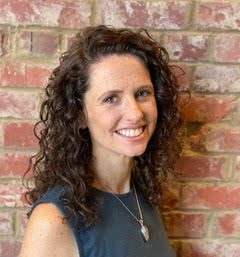
Hi, I’m Kim. I’m a National Board-Certified Health & Wellness Coach with a degree in psychology.
I believe lasting health isn’t about strict rules or quick fixes, it’s about taking small, realistic steps that fit into your unique life. My coaching blends evidence-based practices with compassion and curiosity, helping you discover what truly matters to you so you can feel more energized, balanced, and aligned in daily life.
Connect With Kim
I am passionate about helping people calm the mind, let go of what’s holding them back, and step into a healthier, more joyful life.
If you’re ready to explore what’s possible, I’d love to connect at kim@kimdarroch.com.
- on Instagram
- Kim’s website: www.kimdarroch.com
- on Facebook
- Kim’s Freebie: Daily Checklist for Managing Stress and Anxiety
Episode Transcript
Managing Stress and Anxiety with Kim Darroch, Certified Health Coach
Welcome everyone. I am here with Kim Darroch who is a board certified health coach and she helps women with stress and anxiety become calm and confident.
First I want to say welcome to Kim. There are obviously going to be situations and severity of conditions that will require medication and by all means if you need to take medication to manage your stress and your anxiety, we support that.
Please take care of yourself. That being said, there are things that we can do to mitigate the need for medication in some cases.
So if you are struggling with stress and anxiety, what are the benefits? Why should somebody be looking for either non-medication solutions or holistic approaches to managing this?
The thing with anxiety or chronic stress is that it’s very easy to find ways to manage it without side effects.
A lot of times when you take a prescription med, it can solve a problem and then also create some. So when you take a holistic approach, you are doing things in your life to make the anxiety better.
So it’s almost like you’re living an anxiety-friendly life. And when you do that, mental health and physical health are really one and the same thing.
Like for all the same body and so you are improving your physical health, your mental health, all at the same time without side effects.
And so thinking about things that are things getting back to basics, you know, how are you nourishing your body? What are you eating?
How are you sleeping? How are you managing your stress? What are you doing to relax? How are you connecting with other people?
And it’s super important because anxiety can lead to other health problems. And not only that, but there are physical symptoms that go with anxiety.
So migraines are often a common thing for people that have anxiety or GI issues like IBS and stuff like that.
So taking a holistic approach, you’re going to really target your whole system and you’re going to feel better mentally, physically, spiritually, you name it, you’re going to feel better.
Laurie: You are a board certified health coach and you specialize in this. So can you tell me a little bit about how you became a health coach and this became the area of your expertise?
Kim: Yeah. So I’ve actually always worked in healthcare. I started out working in clinical research, running drug studies. So for over 10 years, I was working in the pharmaceutical industry.
And during that time, I really had the mindset, like there’s a pill for every ill. So if something’s wrong, you have a symptom, you go to the doctor, you get medication and that’s how you manage your health.
And it was really disempowering. I felt like I didn’t have control over what was going to happen to me healthwise.
And when you’re naturally prone to anxiety as it is, that’s not a great way to be living life. I had migraines.
I had medicine for those. And when I got a migraine, either way, I was going to end up in bed.
Because either the medicine made me so groggy that I had to go to bed or my head hurts so that I had to go to bed.
So when we had our third child, I decided to step away from work for a bit. I had three kids and four years.
You know, kind of, I think I’m going to focus on this for a bit. And when my daughter was about 11 months old, we ended up moving to London for my husband’s job.
And there were things that I was noticing over there that just had a very different approach to how things were in the US.
So for example, if you went to the American store there, the macaroni and cheese that was imported had to have a big warning label because it caused hyperactivity in children.
Whereas the macaroni and cheese specifically produced for the UK used different ingredients and didn’t have that warning label. And then like personal care products at that time, I think there were 3,000 chemicals that were banned in personal care products in the UK, whereas in the US, it was like less
than 10 things were different in a way that I was noticing. And so while we were there really kind of changed how we were fueling our bodies .. we were walking every day because we didn’t have a car and really just started feeling good. We moved home. I went back to work and quickly realized that I was now feeling like I needed to be on the preventative and of health and wellness rather than you’re already sick.
Instead of trying these lifestyle changes, you can take this medicine. My mindset had just changed in a way that I knew that I needed to do something different.
More work again and my husband and I were talking about, you know, okay, I should be a health coach, but I wasn’t ready and the universe was going to make sure I knew that because we were hit with a traumatic event in our family that created chronic stress that I had really zero tools to manage it other than I did work out and I did eat well. And I was like, I just want to feel better, but I want to feel better in a way that will last and will be permanent.
And so I just kind of like dug in and started learning all these stress management strategies. I had really disrupted my gut microbiome and so I just started doing all these things.
I really focused on sleep. I hadn’t been sleeping well and slowly, but surely I got better and then I decided, okay, now I’m ready to be a health coach.
So I went and got certified in 2022. We had some again, some intense stress in our family. And I didn’t even honestly realize it during it.
It was just recently I looked back and I was like, Oh wow, that was some crazy stress and I breezed through it.
So I just knew what to do if fear or worry came up and I would sit with it and honor it and then move through it.
And so I just felt very passionate about doing this for other women as well. There’s ways and so many things you can do to support yourself to get through life because life is going to throw stuff at you.
There’s no way to avoid that. But being able to handle it with strength and feeling on the other end like looking back like wow, I did that that is how my story of how I got here.
So just to recap, you had what you said you had three kids in five years or four years?
Kim: Three kids in four years and three months.
I had one in eight years and that was plenty. I don’t even know a lot of life changes moving overseas seeing how things were done a little bit differently, different approach encountering your own stressful life events and recognizing that in the way that your mindset had shifted that you wanted to approach managing that stress differently by looking for a set of sustainable self care tools that you could use that didn’t involve medication.
You were opting for a medication-free route to manage that. And then what you found was that those strategies or those practices had become so integrated in your lifestyle that it wasn’t a hey I’m doing this only when I feel like it was just things that you did because that’s what you did.
So eating in a way that felt good for you sleeping in hindsight recognized that this particular period of time was stressful, but it didn’t disrupt your physical health, mental health or your life the way that you had experienced in the past.
So that must have been a huge wow proud of yourself for developing those skills and for making it an integrated practice in your life.
Yeah, and just the powerfulness of it that I could get through something so challenging without feeling a bunch of anxiety or stress or when I did to just know what to do to manage it feel it but move on not get caught up in it I guess so.
And I would like to say I also have used medication in the past. I had postpartum anxiety with my second son and it was like extremely uncomfortable thing and I had a baby to take care of.
So that at that point, I needed a short course of medication and I moved on with life and then when I had my third child, I didn’t even wait for it to start again. I started the medication in the hospital so I definitely think that medication has a place in all this.
But for me more recently with everything I’m going through I wanted something that will give me the results that I had last year in this stress and anxiety hit because of the situation and I just breeze through it because I had all these tools.
I never even needed medication like I never even had a point where I was miserable or uncomfortable. I was joyful and happy through it all.
It was quite different. You hinted at a stress management practice I’m going to guess it was meditation or yoga.
Yeah, so I like yoga I would say that I don’t do it consistently enough to call out a practice. Okay, and meditation has been an ongoing struggle for me.
10:38 I don’t find it easy to sit down and use a meditation app. So I actually just have built mindfulness into my day.
Yeah, and I just have periods throughout the day where I practice it. And then I did finally find a meditation type app that I adore and I think is really, really often for people with anxiety.
It’s called the tapping solution and it’s based on emotion freedom
technique. And it’s a very active type of meditation because you’re tapping on the end of your meridians and repeating things.
And so I do that. Pretty much daily now, but you know, when I was first starting this all was more building that mindfulness into the day.
Lots of breathing. Lots of relaxation at bedtime so like the NDSR type yoga nidra, almost like a sleep story or progressive muscle relaxation type of thing to calm your body at bedtime and get you ready to sleep.
Okay, so I was wrong. That’s okay. It happens. That’s what my therapist told me 25 years ago when I was having horrible anxiety and I asked for medication.
I was like, look, I can’t even function like a normal human. I can’t eat. I can’t sleep. I can’t do anything.
I need some pills. And he’s like, okay, but first I’d like you to try yoga and meditation. And I was like, GTFO. We’re not doing that.. just give me the Xanax. just give me the Ativan..I gotta get out of here. Those are the big two, I guess 25 years ago? But yeah, mindfulness and breathing and EFP, the tapping that you mentioned.
Okay. So those just became things that you did and you you. Can we talk a little bit about what is anxiety, like specifically when we talk about being anxious or feeling anxiety.
What’s actually happening in the body. It’s going to be unique to each person. What anxiety is like for them. When your nervous system is kind of getting stuck in that fight or flight and you’re not experiencing states of calm or relaxation, dealing with the constant worry.
Stomach aches, migraines and just this feeling of something’s not right. And it’s really an uncomfortable place to be in dealing with chronic anxiety.
And the same goes for stress. So if we have chronic stress that’s unmanaged. What’s the physical and mental impact that may result?
Chronic stress is really detrimental to health. It destroys your gut bacteria. It makes your hormones go crazy. It interrupts your ability to sleep.
And then long term can lead to bigger issues with cardiac health and high blood pressure. Even diabetes is sometimes a result of too much stress.So it’s something that you definitely need to figure out a way to have tools and manage your stress. And knowing that there are times that we can remove stress.
There’s sometimes where you can’t. There’s sometimes where you will have to stay in a stressful situation and you have to have tools to be able to manage that.
And this is a really interesting thing is actually there’s a component of the story you tell yourself about stress impacts the stress.
So if you’re in a stressful situation and you’re like, oh my gosh, this is awful. I can’t do this. I’m never going to make it.
It just creates more stress in your body. Whereas if you’re like, okay, I’ve got a lot of my plate today.
I’m going to take things one at a time and I’m going to, you know, see where I am at the end of the day and create the list for tomorrow.
Whatever it is, it’s really important to what you’re telling yourself about your stress. And so being able to reframe it in a more positive way is going to create less stress.
Well, that’s interesting. So you can actually make things worse just by having that self talk loop about what’s happening. Because what’s happening is just factual.
It just is, but you can interpret it and either tell yourself, I’m so overwhelmed. I can’t believe I have to do all this.
You make it worse. Or you can just say, listen, here’s where we are. These are the one, two, three things that we need to do.
This is what we’re going to work on. And that’s it. And that’s all we’re going to look at. We’re not going to get sucked into a negative self-talk loop that’s going to exacerbate the stress that I’m already feeling about what’s ahead of me or what’s happening.
Yes, exactly. And I think that brings also the importance of the present moment. Most of the time the present moment is a really great place to be in a really safe place to be.
Let’s say you’re having a stressful day at work. You come into the present moment. You’re probably just sitting at your desk and you’re safe.
And you have water to drink if you’re thirsty and you have a snack, the eat if you’re hungry. It’s a safe place to be in the present moment.
But when we go into the future and worry about everything that has to happen or we go into the path and worry about something we did yesterday.
That’s really when we get worked up and stressed out. So coming back into this present moment and noting, okay, I’m okay, I am okay right now right here right now.
I’m okay is a really powerful thing. I love that. I want to talk a little bit about mindfulness and like being present as a strategy that you use for managing stress and anxiety.
Mindfulness is one of the things that I use daily and without really a formal practice because you can use it all throughout the day.
If you really think about how much we do without really thinking about it, we drive to work and we don’t even know how we got there.
We eat our lunch and we barely tasted it. So my fullness throughout the day is on my drive to work.
I’m really going to feel the steering wheel in my hands and I’m really going to feel my back against the seat.
And I’m really going to take in the view as I’m driving to work. And then as I’m eating my lunch, I’m going to focus on the colors of the food that I’m eating and the texture as I put it in my mouth and the flavor and what it feels like to swallow.
And then, you know, when I’m talking to my child, I’m going to really be focused on what they’re saying and being connected to them.
So this practice of being mindful, yes, there are formal ways to do it, but then there’s also these informal ways of just doing it throughout the day so that it doesn’t take up any extra time and yet you’re doing something really powerful for your nervous system for your brain for your whole body by doing these things. And then there’s one other thing I want to mention with mindfulness that I really, really love. It’s called loving kindness.
I recently had to go to the bank, which I don’t normally have to do nowadays, we just do everything online, but I needed to get some cash to give to my nieces and nephews and the outdoor line was closed, so I had to go in.
And there was one teller and there was only one person in front of me, but it was taking a really long time and I was starting to feel frustrated and annoyed and I caught it and I paused and then I started sending loving kindness to the person in front of me that was being waited and I started sending loving kindness to the teller that was working on it. And in my body, I could feel a switch in the energy and it was very powerful.
So the next time someone cuts you off and traffic, send them loving kindness. We don’t know what they’re going through.
We don’t know why they had to cut you off. Who cares? Just send them loving kindness. It will make you feel better.
Okay, so what does that mean? Dumb this way down for me, right? Because if somebody cuts me off. The first thing I’m thinking of is a string of expletives, right?
And then I need to not do that because I usually have my son on the car. And he’s learning about words that we say and words we don’t say.
I mean, that’s not a bad word. So yeah, getting to a point where it’s like that doesn’t set you off and send you into a rage and and thanks.
So if I’m sending loving kindness to somebody who has offended me in some way, what does that mean? Whatever you can send when someone has cut you off, like even I wish you a good day, like anything that is of a positive note sending it to them and wishing them well makes you feel better.
Okay, so basically giving them the benefit of the doubt that they’re doing the best that they can wherever they are and that maybe there’s an emergency, maybe they had to, maybe they’re having a baby, maybe there’s a fire.
Maybe they’re the mayor and they have to get somewhere. I don’t know, but maybe there’s something happening that I don’t know about and there’s a perfectly valid reason why they did that thing.
And in the grand scheme of life is this something worth expanding energy time anything on probably not. Yeah, exactly. I like what you said like they’re doing the best that they can in the moment because that’s really what we’re all doing doing the best that we can in the moment.
And you know what I’ll be honest, there are times where I’m that person and I’m doing the thing that is probably offending somebody else and 99% of the time it is not intentional.
I’m going to give myself that 1% because sometimes I can be a spiteful be i’m not going to lie. Most of the time it’s not even paying attention or understanding how my actions are impacting other people.
So you know what if that was the response that I would want to get in that situation. So just thinking of it is kind of a reframe.
I like that. Okay, Kim tell me about how you work with your clients and what it looks like to work with you.
I have a 12 week coaching program and we meet weekly virtually one zoom and I’d have a framework that I pull from of course, but with health coaching is very client specific.
I have an assessment I use that is specific to stress and anxiety. What is their biggest struggle with it? When are they feeling it the most and how are they sleeping?
How do they have digestive issues that go along with their anxiety? So I have some people that come to me and they’re already meditating or they’re already working out and so of course, then I don’t need to work on that with them.
So it’s very specific to where they are and what they’re struggling with. A lot of the people that come to me have issues with how they speak to themselves.
So I have them start looking at how they’re talking to themselves and writing it down and trying to flip it.
And a lot of them aren’t really focused on what they’re eating and putting in their bodies. So we kind of start to look at that and easy things to do for sleep and all that.
So it’s really client specific with an amazing framework that I have used with other women and also for myself to create lasting change where you feel positive benefits.
So what you do is a personalized approach, you meet them where they are and you do an assessment basically to say okay here are the different areas.
Where are we? What should we work on that makes the most sense for you right now? And then you work on the different areas there are a lot of symptoms of anxiety that I’ve had throughout my life that I didn’t know were anxiety so people pleasing and constantly striving for the next level and perfectionism
and these are like all signs of high functioning anxiety. But there were things I just didn’t even recognize. I didn’t either. I didn’t know perfectionism and you know always going to the next level never being happy where you are.
No idea those were part of anxiety but it makes sense when you think about it. So if you have somebody who has this checklist and say okay these are things that I’m doing maybe this is something I should look into.
I think a lot of people do recognize that they have some level of stressing anxiety but it’s like where where are they falling and how is it impacting what’s the domino effect on the rest of my life here like how is it outreaching or how was it kind of expanding and touching different areas of my life
that I’m not even aware of. So you have an individualized approach. You work with clients one on one, meet them where they identify the areas that they feel comfortable taking action or making changes and then progress from there.
Yes, and we really look at their daily schedule, their weekly schedule, their monthly schedule and find ways to implement changes that fit into their life so you know it’s not about saying okay you needed to X, Y and Z it’s about your some great options.
How can you fit them into your life and sometimes people are like that is not going to work for me and so then we try the next thing you know so it’s really finding what works in their life and to get them feeling better.
Right, because the whole point is it’s got to be sustainable for them. It’s meaningless if you’re just giving them a checklist and saying here are all the things you can do good luck like.
And they’re like I can’t do this. I’m this doesn’t work for me letting them kind of lead the process and decide what is going to be sustainable and things that they feel like they can handle.
Yes, exactly perfect to get started with you. I’m going to put the link to book a call with you for a free mini coaching session. You are on Facebook and you’re on Instagram. I’m going to be putting those links in the notes as well.
And you have a free before our listeners can tell us a little bit about that. Yeah, so it is a daily checklist that you can use for managing stress and anxiety and it gets you to focus on four areas.
What around eating, moving, connecting and thinking it really fits into each of those areas and it also includes a scientifically proven way to make yourself happier so.Check it out.
Okay, we will put the link for that in the notes as well. All right, Kim, we’re going to wrap up what I like to do at the end of every episode is to have my guest give me their top three tips around their area of expertise so go ahead and give me what you got.
Yeah, so I would say the first tip is if you have been dealing with anxiety for a while and you try therapy and other things and you’re still struggling.
Be aware of how certain foods affect your mood. So there are certain foods that are known to trigger anxiety caffeine is an example.
So if you notice that you have your morning coffee and then you start to feel a little anxious, maybe you want to experiment with that a little bit, try decaf one day and see what happens.
So really being mindful and paying attention to certain foods and how that impacts how you’re feeling. We are very much pro intuitive eating, which is listening to your body.
So if certain foods give you an experience, we’re not saying, you know, don’t eat foods, but listen to your body and if certain foods don’t feel good in your body, you can make choices in the future about whether or not you want to include these foods.
My second tip is practice gratitude and this one is so easy. You can do it in a formal practice where you write it down or it can just be something that you think and so you’re going to think of three things that you feel grateful for and start out simple.
Like I love a sunny day. So if this is a sunny day, I’m going to stop and feel gratitude and appreciation for that.
And if you do this consistently for 30 days, you are going to feel happier and it’s a recent point for me now where I don’t have a formal gratitude practice, but I am feeling gratitude all day long.
I tend to notice everything that is beautiful and good and feel good about it. And so it’s a brain training exercises really retraining your brain and looking through the good things and that makes you feel better.
So I definitely recommend that you will be feeling joy from the inside out. And then the other thing I like to say is you need to make friends with your anxiety.
It is a messenger trying to tell you something. So instead of like trying to avoid it or push it away, sit with it and maybe put a hand on your heart and really feel into what you’re going through and then like to be your own best friend.
So comforting words like hey you’re okay right now. Everything’s okay. Everything’s going to be okay. Let’s stay here in this moment.
Let’s take some deep breaths. So being really kind and encouraging to yourself in a way that you would be to a friend who might be going through anxiety.
That’s nice. I love that. How often are we intentionally kind to ourselves? Yeah. Until I became mindful of doing it not very often.
Yeah. That’s definitely something I could use because I’d have the whole like, okay, you didn’t do this. You’re not doing this.
Oh, and I just had a birthday and I was like, Laurie, you are 29 years old again at what point are you going to learn how to just kidding I’m 48 and I’m thrilled about it.
But when are you going to learn how to do “blank” and my recent thing was meal planning like I still don’t… I am still not great about planning my meals or picking out clothes or looking put together like when am I going to learn how to do that.
So giving myself some grace and saying, you know what is that. Yeah. Nice. What are some good things? What are some nice things that we can do?
You’re going to learn those things one is important enough for you to learn it. You just have other priorities that are more important to you.
And there’s some grace right there. I appreciate that. Well, Kim. This has been fantastic. I am so happy that you came by today to talk to us about managing stress and anxiety because I think right now we all could use some help with this.
So thank you so much. Thank you so much for having me.
View All RWR Podcast Episodes
Subscribe: Apple Podcasts | RSS