Subscribe: Apple Podcasts | RSS
In this episode – Meal Planning Made Simple with Kare Maryn – I sit down with Kitchen Coach, Kare Maryn, who helps her clients develop a customized system for planning their family’s meals so they have more time, energy, and brain space to be less stressed, feel good about what they’re serving, what they’re eating, and be more present day-to-day with their family.
Meal Planning Made Simple with Kare Maryn
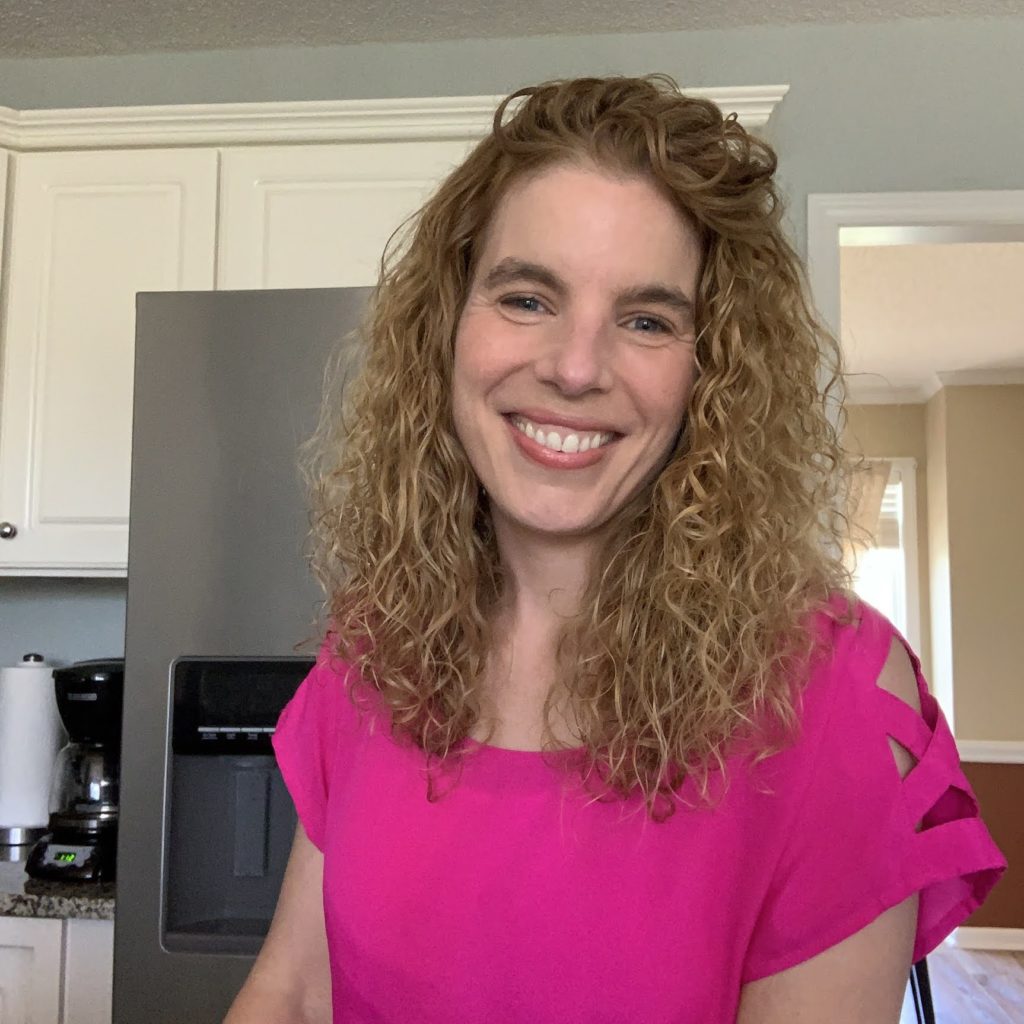
Meet Kare Maryn
Get Kare’s free gift!
Reset Your Meal Planning: A 7-day Meal Planning Guide
Grab this free Meal Planning Guide to reset and transform your family’s meals and snacks, making more time for the really fun stuff in life.
You want to be that family that sets the table each day to enjoy a meal together, and you want the meal to be healthy, nutritious, and a joy for the entire family to eat. If you’re not properly planning your meals or grocery shopping then you need to reset your meal planning habits.
Get started on resetting those habits by clicking on the link below you will receive the Free 7 day meal planning guide, plus tips on how to continue transforming your meal planning system.
What’s included in the guide?
- Weekly Lunch, Snack, & Dinner Plan
- Categorized Grocery List
- 10 Unique Meal Recipes
Ready to Reset your Meal Planning? CLICK HERE
Connect with Kare:
- Her website: https://www.kitchenlifetransformation.com/
- On Facebook
- Join her free Facebook group
- Book a call with Kare
Episode Transcript
Welcome Kare.
Hi. Thank you for having me.
So anybody who knows me or has listened to the podcast for more than five minutes knows that I don’t cook, I don’t meal plan. This is all like my white whale. So I’m really excited because I feel like you have some secrets that I need.
I do. Oh, you sure do. So I’m excited to dig in and figure out how I can personally, a lot of these podcast episodes are really just for me, but I feel like other people can benefit.
So it’s kind of like a twofer. So I’m excited to talk about what it is that you do, meal planning, meal prep, how to make this a sustainable part of my weekly routine because right now it’s not, and it needs to be. So let’s dig in right into your origin story.
I like to call it like, how did you get to the point where you are now a coach for meal planning, teaching busy parents, moms, how to make meal planning and prep doable, sustainable, easy, quick, et cetera. Let’s dig in. All right.
Well, it started just because I love to cook. And so friends started asking me, like I would have a friend that was like gluten-free and she’s like, oh, can you make this gluten-free or a vegetarian or whatever? And I was just cooking for people I knew. And then word of mouth kind of spread and I started cooking for families.
So I was a personal chef for a little while for families and it’s kind of a joke. Like everybody says I want a personal chef, you know, but really what I found and what I learned being, you know, cooking for families was that that isn’t necessarily always the case. And I also was able to see what are the biggest challenges, like why am I in this person’s home? Why do they need me? Where was the stumbling block? And so when we had our daughter, I took all of that that I had learned and I transitioned to being an online kitchen coach.
So I can help a lot more women now and I’ve really like honed into a lot of the obstacles and the stumbling blocks for meal planning. And you know, I say kind of the joke about having a personal chef because a lot of the women I work with have said that before, but in reality, they really want to be the one that cooks for their family and themselves, right? It’s a way we show our families love and it’s a way we care for them. And so that is kind of how it all came about, is I know that there’s a desire to cook for your family.
And I know there’s also stumbling blocks and I help you overcome them. Something you said there got my attention. So we all say we want to have a personal chef, right? But like you said, preparing food for our loved ones is how we I mean, that’s an intimate thing, right? It’s how we show we care for our families.
And right now, my family must think I don’t love them at all because I am not in charge of that department. But another thing you said was moms. Do you is it exclusive to women or do you say that just because predominantly the people who are seeking you out are women and moms? So it’s definitely not exclusively moms.
I work with women who either they’re not a mom or before they’re a mom or I guess I have worked with with empty nesters as well. They see like the value of food and fresh ingredients and making it easy. Oftentimes like in preparation for children or grandkids or so it’s definitely just like women who have have recognized the value of home cooked meals and want to do it more easily and quicker.
The time around the dinner table, the family time that that’s kind of a sacred time and to kind of calm that time down and bring peace to the table and not have it be this frenzied stressed time of day, I think is valuable to everyone. You know, also moms as they try to kind of connect with their family members and want that peace and calm at at mealtime while serving something that’s fresh and that they feel good about the ingredients and connect with whoever it is they’re eating with.
You just covered why meal planning is important, right? Because we want to, we want to have peace, peace at the end of the day, right? We want to have a peaceful experience, you know, just connecting with our family at the end of the day.
So this term meal planning, we’re using it very loosely here. So do you, what is meal planning, like the actual definition of meal planning for you? That’s a great question. So for me, meal planning is, do I know what my next meal is going to be? That’s my idea of meal planning.
And I assume that there’s like a higher level that most people who think of meal planning are like week at a time, month at a time, but what does it look like for most people, not me? Yeah. Okay. That’s a great question.
So what it looks like real big picture is simply having a system, a system that is predictable, that is rinse and repeat every week or every month or every day, like whatever that unit is for you, that unit of time, most often, and the system that I use and teach is based on the week. And so it’s a matter of having a system down that again is predictable. So it’s not stress producing.
Like, you know, when each of the steps is coming, they happen the same time every week, you integrate it into your schedule and it really like breaks it down. So whether you’re looking at your next meal, your next week or your next month, whatever, like it can look like this huge thing, like kind of like you’re saying, like, what is meal planning?
And when you don’t have a system, you might not know the answer to like, what’s the next step in this big thing that’s called meal planning. And that is the shift that I make with the women I work with is it’s not this big scary thing.
It’s like these steps that you just take one after the other, and then you repeat those the next week. And then you repeat, and it’s just, it becomes like a habit and a routine that, you know, that isn’t stressful and isn’t overwhelming. And I can tell you that kind of at the core of all of this is really what I call having your recipe hub.
And this is something that I build with my clients is having a collection of recipes that you know how to make, that you’re confident making, that, you know, your family likes, you know, that you like, they’re just like the recipes that you can go back to, because often what I find with meal planning, and when you say that general word, like you’re saying, you like go on the internet and like Google meal plan, or you go on Pinterest and it’s like, oh, I want to find a new recipe.
And that is where a lot of stress can come in is like not having the resource for you that works for you, a cookie cutter meal plan on Pinterest is going to be a lot harder than I have built a hub of recipes that I know work. And it’s big enough that I maintain variety, and I go back to it.
And that is so much less stressful than, oh, it’s time to meal plan for next week. So I think I’m going to Google it. Perfect.
I love this because you know, I’m a tech person. So I love systems. I love having a process one, two, three, four, five, right? Like we just, we do this, we follow it.
We’re not thinking about it. We’re not looking at like too far ahead. We’re just sticking with the next thing.
But for me, and I know other people, I can’t be alone here. I’m not the only one who struggles with this meal planning or like when I get the inclination to do something that resembles meal planning, right? I do one of two things or it turns out, well, it starts with one thing and then it turns into a rabbit hole. Okay.
So I go, Oh, you know what? I’m going to cook something. I’m going to, um, I’m going to go on Pinterest. Like you said, I’m going to find a recipe.
Well, then I find one recipe. Well, then it turns into, well, if I’m going to make this, well, then maybe I should make extra so that I’ll have leftovers. Well, then it turns into this whole thing.
Well, if I’m going to do this, maybe I should meal plan for the whole week. Okay. Well, if I’m doing the week and I’m buying all this stuff, well, maybe you know what I mean? I can’t, like, I can’t stop at the first thing.
So what somebody like me really needs is this systematic approach to say, okay, we’re, we’re just doing a week at a time. We’re going to start with this. We’re going to start small.
And then it sounds like what we do is with your program is build onto something. We get comfortable with one, you know, first, those, those first few steps. And then we build on, and then we kind of grow as our comfort level, um, grows with the system.
Does that sound right? Yes, that sounds exactly right. And you’ll be amazed at how quickly your confidence does grow when you start with a system. Um, and, and to your point, I work with clients even on, I, I tell people if meal planning is new for you, or you have a history of meal planning that you don’t like looking back on, like it’s just been a dumpster fire.
Start with one meal. Like, what if you just said today, I’m going to find a recipe or maybe I have a family favorite and I’m going to plan for it for dinner next week. And so that means I’m going to find the recipe.
I’m actually like going to have it. So when I need to cook, like I can find it, right. And then I’m going to write down the ingredients that I need and I’m going to go to the store and I’m going to come home and I’m going to prep a couple of the ingredients.
So Tuesday night when I serve it, all I’m doing is putting the ingredients together. And it’s like, if you even just started there and you know, I know a lot of people’s minds are like, I’m not just going to make one meal, but like, if what you’re doing right now is mass chaos and stressing you out and frenzied and not working, then this is the next step and it sets the system in place. And so then you do two and then you make extra.
And so you have leftovers and then you like build on that. So whatever big or small in terms of the next step means for you, meal planning can be broken down into whatever next step is doable for you. And I always tell people, there’s nothing about meal planning.
That’s all or nothing. It’s never all or nothing. It’s never every meal, seven days a week for the rest of my life.
Like that’s just, nobody wants to do that, right? It’s just what’s next and what foundation can we lay to build on that? Okay. So it’s almost like you can see inside my brain because I am very much an all or nothing, like if I’m going to do a little, I have to do a lot.
And then, and then I get, I get overwhelmed and now I have meal planning trauma and like you said, this dumpster fire of my meal planning past always comes to haunt me whenever I, I feel like, because I know it’s something I should do, it’s going to help.
It’s a, it’s a form of self-care, right? Helping future Laurie, eat healthy, honor nutrition, spend time with my family, that’s not chaotic. And so it’s something I really want to do, but every time I, I think about it, I get that anxiety and I’m like, Oh gosh, I remember the last time I tried this and I fell down a Pinterest rabbit hole and then nothing. And then I ended up eating a bagel.
So yeah, we all end up eating cereal. So yeah, so this is definitely a system that I need, I need in my life. Okay.
So that sounds like one of the, one of the mistakes that you see people making is the all or nothing mindset. Like if I’m going to do one meal, I can’t just do one meal. I have to do a whole week, but then the whole week becomes overwhelming.
What are some other traps you see people falling into when it comes to setting up a meal planning system or meal planning in general? Good question. Um, two come to mind and you said the word mindset, and that is something that I work on with all of my clients, the mindset around meal planning. And I’ll tell you two kind of mindset, uh, traps that you can, uh, fall into.
One is the fact that you are a woman, or if you’re a mom, the fact that you’re a mom, you should know how to do this. And so you mentioned it earlier, like I should be meal planning and people think to themselves, I should know how to do this. And so, you know, at this point, a lot of us have probably heard like, stop shitting all over yourself.
Like, let’s just like put the shoulds aside and say, but where are you really right now? Um, nobody teaches you how to meal plan. No, a lot of us did not cry. I didn’t grow up like cooking next to my mom or my grandma and learning how to do this.
We become adults and we want to feed ourselves well, and we don’t know where to start, but there’s this, like, I don’t know if it’s like cultural society tells us, whatever it is, for some reason about meal planning, there’s this thing. There’s this hesitancy to find help in this area, because it’s like, I should know how to do this because I’m a mom or because I’m a woman or, you know, whatever it is, like when I started, when I went online with my business, I didn’t know how to run a business.
So I reached out for help and there was nothing about me that was like, I should know how to do this because I’ve never run a business, right? And so that same spirit is true of meal planning, but it’s not talked about, it’s not uncovered.
It’s not revealed, right? Like it is in other areas. If I, if you don’t know how to fix your car, you get help, right? And so, um, it’s the same thing, but just to like shed all those shoulds about what you should know how to do just because you grew up in a family where your mom, you’ll plant, like it just doesn’t work that way. Uh, and so that’s one of the, one of the mindset things that I really find people go into a dark hole about.
Can I just say, I actually, I know where this comes from. And if you’ve listened to the podcast, you know, I like to, um, blame the patriarchy and internalized gender roles. Yes.
We don’t have to harp on that, but we’re just putting it out there. Cause we, let’s just say it. We know, we know, we know this is true, but we’re going to move on.
So yeah. So that’s, that’s one of the things is just like, is the mindset of it. And where are you? Like when you approach meal planning with, I should know how to do this.
I should be doing this, but in the back of your mind, you dread it. It’s like, how are you going to show up for it like that? And so really working on mindset is one of the, is one of the big things that I work on and it’s amazing how much, like I said, confidence you can build and progress you can make when you kind of reset that mindset.
And then the other thing I would say that, um, that my clients kind of stumble over is this idea of feeding, serving healthy meals, right? This term healthy, like what does that even mean? We can have a, we can have a podcast episode just on this, the nebulousness of the word healthy.
Like what does exactly, what does it even mean? And why do we feel confined to like only make foods that, that fall under this category, this category that we can’t even define? Yeah. Yeah. No, that’s just, that is exactly right.
Uh, so healthy is just this word that doesn’t really mean a lot anymore. And who knows what it means. And some people, um, when you’re thinking about meal planning, you’re like, okay, I know the foods I’m feeding myself and my family aren’t what I want to be feeding them, but what do I feed them? And so that’s where this word healthy kind of pops up.
And then it’s like, am I going to jump on one of the bandwagons of paleo or keto or vegetarian or, and like nothing wrong with any of those. Unless it’s you grasping at a straw that you think is going to give you some kind of meal planning structure. Right.
That isn’t really helpful. Um, so what I like to really empower my community with is you, I find that once we start talking, like let’s put the word healthy aside for a second and just talk about meal planning with like, let’s say you went to the store and you bought, if you eat meat, some basic meats, you bought some basic vegetables. You had recipes that you used those in a way that they tasted good.
Like this concept of healthy is no longer that important because you recognize the foods you’re cooking with. There’s different, uh, kinds of food on your plate. Like it’s just, it doesn’t have to fall into anyone else’s definition of healthy.
It just needs to be foods that you recognize that you feel good about that you, you know, and that’s really what it comes down to is I think we all have some kind of idea again, wherever that comes from of what kinds of foods we want to eat, um, without jumping on some kind of like kale is a super food. I have to eat kale. It’s like kale is just a food, just like any other food, all, all vegetables have nutrition in them.
Let’s knock it on a bandwagon. Let’s just go for variety, get recipes that make the things taste good, uh, and you know, go from there. And so that is one of the stumbling blocks for sure.
It’s just this idea of healthy. And I, I totally get why that just like stops people in their tracks about meal planning and then along these same lines is once you get a system down and you’re using these ingredients that you recognize and they’re fresh and you’re, it’s amazing how you love to have pizza night or let’s eat ice cream for dinner as a family and have fun with that or make some impulsive choice.
Because I go by kind of the 80, 20 guideline, like if 80% of the time you’re serving these meals that you feel great about, then pizza night is fun as opposed to right now pizza night or takeout or whatever is like, I’m doing this again, this isn’t how I wanted to eat tonight.
And so it’s like, you know, and then, and then your family’s like, why can’t you just have fun with this mom? Like, why is this a big, and it’s like, it just gets into this whole thing of like meal times are stressful and not calm and not fun anymore. You know, it’s amazing when I work with moms, the most common number that we fall on in terms of how many fresh meals do you want to make a week that would be meal planning success for you? It’s never seven, it’s never six. It’s four is the most common number I hear.
So you’ve got four fresh meals on the table. The other nights can be something else. This is great because I don’t know if you have listened to previous episodes of the podcast, but we are big into intuitive eating, eating foods that feel good in our bodies, honoring nutrition, and also honoring eating for experience.
I love that. Yes. So there’s, there’s, there’s foods we eat because we know they’re going to give us nutrition.
They’re good for us. Fiber, micronutrients, et cetera. Also foods we like to eat, you know, like maybe there’s not a lot of nutrition and ice cream, but it’s fun.
Did the experience of having ice cream after dinner with your family, like we should, there’s, there’s room for everything in here. And so I really liked this approach and I love that we’re starting like, like you said, the target number is four. If we could get, if we could have a nice sit down meals that we feel good about preparing, serving and enjoying with our families four nights a week.
And then I’m a huge, I like leftovers. My husband’s not so much a fan, but, um, I like the ease of it because then I can just reheat it and eat it. But if it’s, it’s the same thing I already ate.
I already know I’m going to feel good eating it and making my life that much easier for one day a week. We can stretch it out, right? We can, we can keep it going. Um, I don’t know if you cover batch cooking in your program.
Okay. Perfect. Perfect.
We’ll get to that. Um, so I like that we’re starting with four and maybe we end with four. And then we do have other, others, um, solutions for the other nights of the week that are just not us in the kitchen cooking.
However joyful that may be for us or not. You know, we have, we have options. I like that.
Tell us a little bit about what it looks like to work with you. It looks like starting with you and personalizing it to you and your schedule, and I like to start meal planning on Thursdays. I call it Think Ahead Thursday.
And you start thinking about meals for the next week. Today is Thursday. Oh my goodness.
You scheduled this on Thursday on purpose, didn’t you? You know, like Laurie needs my help. We’re going to do, we’re going to do a Thursday episode. It’s my favorite day of the week.
Um, but it gives you, you know, assuming you’re kind of on a Monday is the first day of the week schedule, which a lot of us are like, it gives you four days to meal plan, right? And it lets you break it down into these easy steps, not too long each day.
But if Thursday’s not the day for you, like we’re going to figure out what is the day for you, and then we’re literally just going to break it down into the habits that you can do. A lot of this is about like looking at your schedule and how can you integrate this into your weekly schedule that’s already happening.
And so, um, for me, I’ve integrated into my schedule. Thursdays is when I look at my calendar next week and see if I have any really heavy days that I do need a leftover or a day where I have a little bit more time or, you know, you just kind of glance at your schedule and then you get, you get out some recipes and you say, these are the recipes I’m going to make next week. And so whether that’s two or three or four recipes, whatever, that’s the only thing I do on Thursday.
It’s not this big thing. It’s like 15 minutes. I’m going to glance at my schedule for next week.
Make sure there’s not something really wonky that’s going to affect dinner time. And then I choose the recipes. And when you work with me, that’s one of the great things is the recipes.
I can provide the recipes for you. Um, I talked earlier about if you think about the fresh vegetables and fruits and meats and just grains that you know and love and feel good about, but how do I put these together in a way that tastes good? Um, that is what I help you do. Uh, and I provide recipes for you and you, so that part is done.
Uh, so on Thursday you get those recipes together. What I do next is make a grocery list, but I provide that for you as well. So the plan is done.
The grocery list is done for you. And then we really dig into the like living this out. You do have to go grocery shopping, whether that’s having them delivered to your house, ordering them ahead online and having somebody bring them to your car or actually going to the store, whatever that looks like for you, you put that in your schedule.
And then the real thing, the real gold of working with me is I map out step by step what you should do for the whole week for the recipes that we’ve planned for you. And so that looks like when you get home from the store, dice these onions because we’re using them on Tuesday and put them in a container in your fridge, take the meat out. Don’t forget to take the meat out on Monday because you’re going to be using it on Tuesday and it breaks it down literally step by step.
What vegetable do you prep? How do you prep it? When do you prep it? How long can it stay in the fridge? Like all of those things. I give that to you in a step by step guide. And this is what’s establishing the competence, the routine, that muscle memory of meal planning.
And so when you are, when we’re no longer working together, you’re empowered to do this on your own. I have a question about what do you do when you have a family or you have, you have a client who has family members with different requirements. So like in my situation, I am a dairy free vegetarian and my husband and my son eat, well, I should say my husband eats most things.
There are very few things he doesn’t eat. And my son likes chicken nuggets, hot dogs, Maggie seven, chicken nuggets, mac and cheese. He has like this list of things that he really likes only because, you know, he’s, he’s seven, right? And he does eat other things.
And, um, but you’re just, we’re just like in this rut. So what do you do when you have a family who’s like, okay, person A does this, person B has this and person C has this? Great question. And it’s a really big question.
I will tell you kind of my brief briefly, my approaches to that. One in terms of like the dairy or the meat or the, uh, whatever that is, I, I always recommend, and this works out really well is to start with a base meal that meets the person who’s most restrictive. Okay.
So like if you don’t eat meat or dairy, something that comes to mind is my Southwestern stuffed sweet potato. It’s plant based at its core, right? So I make that and that’s yours. Well, then who, I also have some shredded chicken that I then put on top of it.
And do you want sour cream with it? Just, you know, the other people in your family, do they want cheese on it? And so there’s not this sense of like, I’m making something totally different or the person who’s eating it. Isn’t like, Oh, this was her afterthought meal for me, you know, or as the person cooking, you’re not the afterthought, right? Nobody’s an afterthought. It’s here as a base meal that meets the most restrictive person.
And then what we put on top of it or add to it, it, you know, is something everybody likes. That’s kind of my first approach with my clients is how does that land? And of course I provide those recipes that are the base of, you know, whatever base you need and then what can you add to it that doesn’t just feel like an add on or an afterthought. So that’s kind of how I, how I approach that.
Also I will say that a lot of the recipes I use, if there’s somebody in the family who’s like gluten-free and then somebody else in the family is like, don’t make me gluten-free stuff, right? There’s a lot of recipes where that just doesn’t come up. Like what they’re eating is good. And so they just don’t ask any questions.
Right. And so that’s also part of it is, um, you know, just making things that taste good with ingredients that meet your requirements, but people who don’t have those requirements like that can just be a challenge, but I have some tried and tested recipes that, you know, they, they’re just, nobody asks questions because they like what’s on their plate.
And so, you know, that is kind of how I approach that as far as kids or adults who have kind of a narrow, um, idea of what they like to eat.
Or, uh, I just talked about this in my group yesterday, um, about the word picky and how I don’t like labels and let’s stop labeling each other. And aren’t we all have food preferences with things we like, things we don’t like.
Uh, and that is also kind of a whole mindset thing about on what spectrum of eat this or don’t eat to short order cook and like, where do you want to fall on that spectrum? Right.
And, and I can’t be in your home like setting the tone and the culture around dinner time. You have to do that. And so you have to decide like what are your boundaries and what do you want to do? But a lot of the times there’s a happy medium.
And I have found that once you kind of get in the routine, you’re building your confidence, your meal planning thing is kind of happening. You’re less stressed. You’re happier.
Dinner times work. Like there’s a lot that goes into that. It’s not just, okay, now I, you know, I talked to my coach and she wants me to set boundaries.
And so now you don’t get to, you have to eat what we’re eating. Like that’s not the approach. The approach is like it’s our, our dinner time is transitioning into something new and you’ll be amazed when the cook, the person who’s cooking, their mindset is better and their approach is, is different how a lot of family members kind of come along.
Um, and so that’s something that really I would say over time when I work with my clients, we’re, we’re kind of addressing that. And I think the changes that happen in the family when cooking becomes a labor of love and your family like is starting to sense that as opposed to the resentment that you used to have, that your family’s hungry, right?
They have to eat like every day, every single day. And that resentment is real, right? Like it’s the end of the day and it’s my time to cook.
And here I have these hungry people in front of me. Can’t you just go somewhere else? Right? And, and that’s just not fun for anybody. And so like I say, it’s kind of a big answer, but big.